
Kayıt ve
Konaklama
2 Aralık 2026
Kongre Başlangıç Tarihi
5 Aralık 2026
Kongre Bitiş Tarihi
Değerli Meslektaşlarımız,
Acil Veteriner Hekimleri Derneği olarak sizleri, mesleğimizin geleceğine birlikte yön vermek üzere Uluslararası Katılımlı 8. Veteriner Tıp Acil ve Yoğun Bakım TuVECCA Kongresi 2026’ya davet etmekten büyük bir onur ve mutluluk duyuyoruz.
Veteriner hekimlik, bilimsel gelişmelerle birlikte dijital dönüşümün merkezinde yer almakta; tanıdan tedaviye, eğitimden iletişime kadar pek çok alanda köklü bir değişim yaşamaktadır. Bu bilinçle, 2026 yılı kongremizin ana temasını “Veteriner Hekimlikte Dijital Çağ” olarak belirledik.
Devamını Gör ...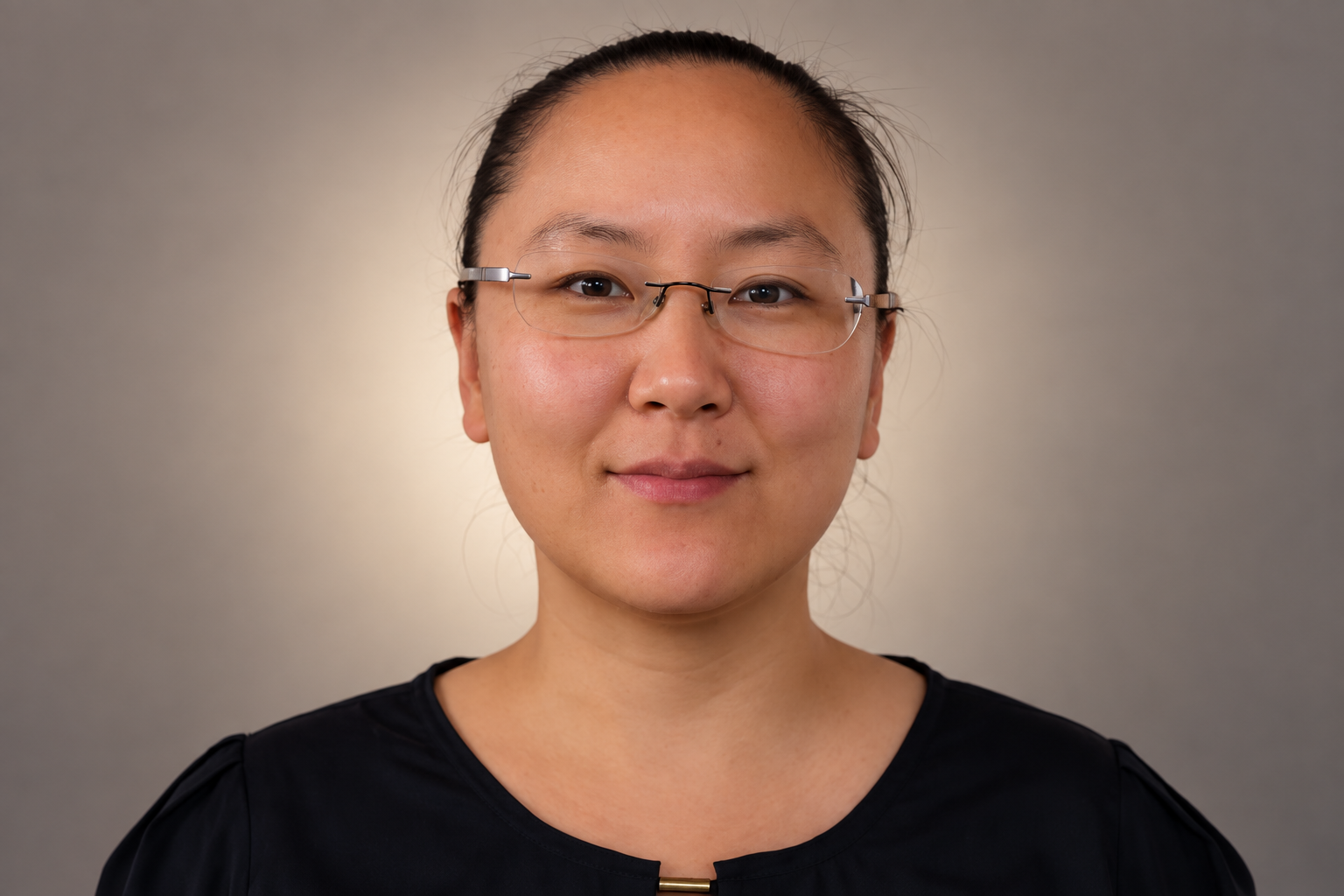
Dr. Yi Cui, küçük hayvan iç hastalıkları alanında akademi, klinik liderlik, eğitim ve danışmanlık geçmişine sahip, uluslararası kariyere sahip, kurul onaylı bir veteriner iç hastalıkları uzmanıdır (ECVIM-CA). Veteriner hekimliği derecesini Ghent Üniversitesi'nden büyük bir onurla (magna cum laude) almış olup, ayrıca KU Leuven'den hayvan fizyolojisi uzmanlığıyla Biyoloji alanında yüksek lisans derecesine sahiptir. Ghent Üniversitesi'ndeki rotasyonel stajının ardından, Giessen Üniversitesi'nde Küçük Hayvan İç Hastalıkları alanında ECVIM-CA asistanlığını tamamlamış ve 2019 yılında diplomat unvanını almıştır.
Dr. Cui, Giessen Üniversitesi, Bern Üniversitesi, Utrecht Üniversitesi ve VSH Hong Kong dahil olmak üzere Avrupa ve Asya'daki önde gelen veteriner kurumlarında uzman ve gözetmen pozisyonlarında bulunmuştur. 2023 yılından bu yana uluslararası danışmanlık, iç hastalıkları eğitimi ve veteriner klinik hizmetlerinin geliştirilmesine odaklanan Bohoja Vets'in kurucusudur.
Özel akademik ilgi alanları arasında endokrinoloji ve girişimsel tıp bulunmaktadır. Journal of Veterinary Internal Medicine ve Journal of Feline Medicine and Surgery gibi hakemli dergilerde birden fazla yayının yazarlığını ve ortak yazarlığını yapmıştır. Araştırma faaliyetlerine ek olarak Improve Veterinary Education, ESAVS, Boehringer Ingelheim ve birçok uluslararası kongre gibi kuruluşlar için aktif bir uluslararası eğitmendir.
Dr. Cui, mentorluğa ve lisansüstü eğitime kendini adamış olup, asistan ve stajyer eğitimcisi olarak görev yapmakta ve İç Hastalıkları asistanlarını desteklemek amacıyla 2025 yılında Resident Club'ı kurmuştur. Veteriner hekimliğe yaptığı katkılar, ESVE Pilot Araştırma Ödülü ve ECVIM En İyi Sözlü Özet Sunum Ödülü de dahil olmak üzere birçok ödül ve araştırma hibesi ile tanınmıştır.
Kanin hipotiroidizmi, çoğunlukla lenfositik tiroidit veya tiroid atrofisine bağlı primer tiroid disfonksiyonundan kaynaklanan yaygın bir endokrin bozukluktur. İkincil nedenler (hipofiz hastalığı) ve konjenital formlar nadirdir. Başta tiroksin (T4, T3'e dönüştürülür) olmak üzere tiroid hormonları metabolizma, termoregülasyon, kardiyovasküler ve nöromüsküler aktivite, deri ve tüy sağlığı ve üreme için hayati öneme sahiptir.
Hastalık tipik olarak orta yaşlı ila yaşlı köpekleri etkiler. Klinik belirtiler yavaş yavaş gelişir. Dermatolojik değişiklikler arasında alopesi, zayıf tüy kalitesi, sebore, hiperpigmentasyon ve tekrarlayan deri enfeksiyonları bulunur. Sistemik etkiler uyuşukluk, hareketsizlik, iştah artışı olmadan kilo alma, soğuğa tahammülsüzlük ve zihinsel donukluktur. Nörolojik sorunlar (polineuropati, yüz felci, nöbetler) daha az sıklıkla görülürken bradikardi, kısırlık ve oküler lipit birikintileri ara sıra gözlemlenir.
Tanı, laboratuvar testleriyle desteklenen klinik şüpheye dayanır. Tipik bulgular arasında hafif rejeneratif olmayan anemi ve çoğu vakada hiperkolesterolemi yer alır. Toplam T4 (TT4) ve tiroid uyarıcı hormonun (TSH) birlikte ölçümü, birinci basamak teşhis yaklaşımı olarak kabul edilir. Irka özgü varyasyonlar (örneğin doğal olarak düşük TT4'e sahip Greyhound'lar) ve ilaç etkileri (fenobarbital veya glukokortikoidler gibi) dikkate alınmalıdır. Belirsiz durumlarda tiroid sintigrafisi doğrulama sağlayabilir.
Tedavi, ömür boyu levotiroksin sodyum (L-T4) kullanımından oluşur. 6-8 hafta sonra yapılan izleme, haptan 4-6 saat sonra yapılan serum hormon kontrolleri ile uygun dozajın sağlandığından emin olmayı sağlar. Klinik iyileşme ilerleyicidir: aktivite günler içinde, metabolik değişiklikler haftalar içinde, dermatolojik iyileşme aylar içinde ve nörolojik veya üreme fonksiyonu birkaç ay içinde düzelir. Doğru tedavi ve takiple prognoz mükemmeldir.
Kanin hiperadrenokortisizmi (HAC), hiperkortizolizm veya Cushing sendromu olarak da bilinir ve kronik glukokortikoid fazlalığından kaynaklanır. Çoğu vaka (%80-90), ACTH salgısını uyaran kortikotrof adenomları nedeniyle hipofize bağlı (PDH) iken, %15-20'si adrenal tümörlerdir (AT).
Klinik prezentasyon tipik olarak orta yaşlı ila geriatrik köpekleri içerir. Yaygın belirtiler arasında poliüri, polidipsi, polifaji, karın şişkinliği, nefes nefese kalma, hepatomegali, endokrin alopesi, kas zayıflığı ve sistemik hipertansiyon yer alır. İki taraflı alopesi, ince deri, kalsinozis kutis, tekrarlayan piyoderma ve hiperpigmentasyon gibi dermatolojik değişiklikler de görülür.
Teşhis; klinik şüphe, kan tahlili, idrar tahlili, görüntüleme ve adrenal fonksiyon testlerine dayanır. Laboratuvar anormallikleri genellikle stres lökogramı, trombositoz, artmış karaciğer enzimleri (ALP, ALT), hiperkolesterolemi, proteinüri ve hipostenüriyi içerir. Tarama testleri arasında UCCR, LDDST ve ACTH stimülasyon testi yer alır. PDH ve AT arasındaki ayrım, endojen ACTH ölçümü, HDDST ve/veya görüntüleme (ultrason, CT, MRI) ile sağlanabilir.
Kedi diabetes mellitus'u (DM), tipik olarak insülin direnci ve β-hücresi fonksiyon bozukluğundan kaynaklanan, kronik hiperglisemi ile karakterize yaygın bir endokrin bozukluktur. Geleneksel yönetim, diyet modifikasyonu ile birleştirilmiş insülin tedavisine dayanmaktadır, ancak hasta sahibi uyumu, maliyet ve tedavi karmaşıklığındaki sınırlamalar alternatif stratejilere duyulan ihtiyacı vurgulamaktadır.
İnsan tıbbında yaygın olarak kullanılan Sodyum-glikoz kotransporter 2 (SGLT2) inhibitörleri, insülinden bağımsız olarak renal glikoz atılımını teşvik ederek kan glikoz seviyelerini düşürür. Bu mekanizma kedi hastalar için kilo kaybı, iyileştirilmiş glisemik kontrol ve potansiyel olarak daha düşük insülin gereksinimleri gibi avantajlar sunar. Kedilerde yapılan son çalışmalar, SGLT2 inhibitörlerinin kan şekeri ve fruktozamin konsantrasyonlarını etkili bir şekilde azalttığını, poliüri ve polidipsi gibi klinik belirtileri iyileştirdiğini ve bazı durumlarda diyabetik remisyonu kolaylaştırabileceğini göstermiştir.
Genellikle iyi tolere edilmekle birlikte, yan etkiler dikkate alınmalıdır. Bildirilen riskler arasında idrar yolu enfeksiyonları, dehidratasyon, kilo kaybı ve nadiren öglisemik diyabetik ketoasidoz yer alır. Güvenli kullanım için dikkatli vaka seçimi, uygun dozaj ve yakın takip esastır. Kötü kontrollü hastalarda insülin ile kombinasyon tedavisi uygun olabilirken, stabil, ketotik olmayan kedilerde monoterapi yeterli olabilir.
SGLT2 inhibitörleri, kedi diabetes mellitus'u için terapötik seçeneklere umut verici bir katkı temsil etmektedir. Güvenlik, etkinlik ve optimum tedavi protokollerini oluşturmak için daha fazla uzun vadeli çalışmaya ihtiyaç duyulmasına rağmen, insülinden bağımsız mekanizmaları klinisyenlere diyabetik kedilerde yönetimi, yaşam kalitesini ve sonuçları iyileştirmek için değerli bir araç sağlar.
Araştırma İlgi Alanları
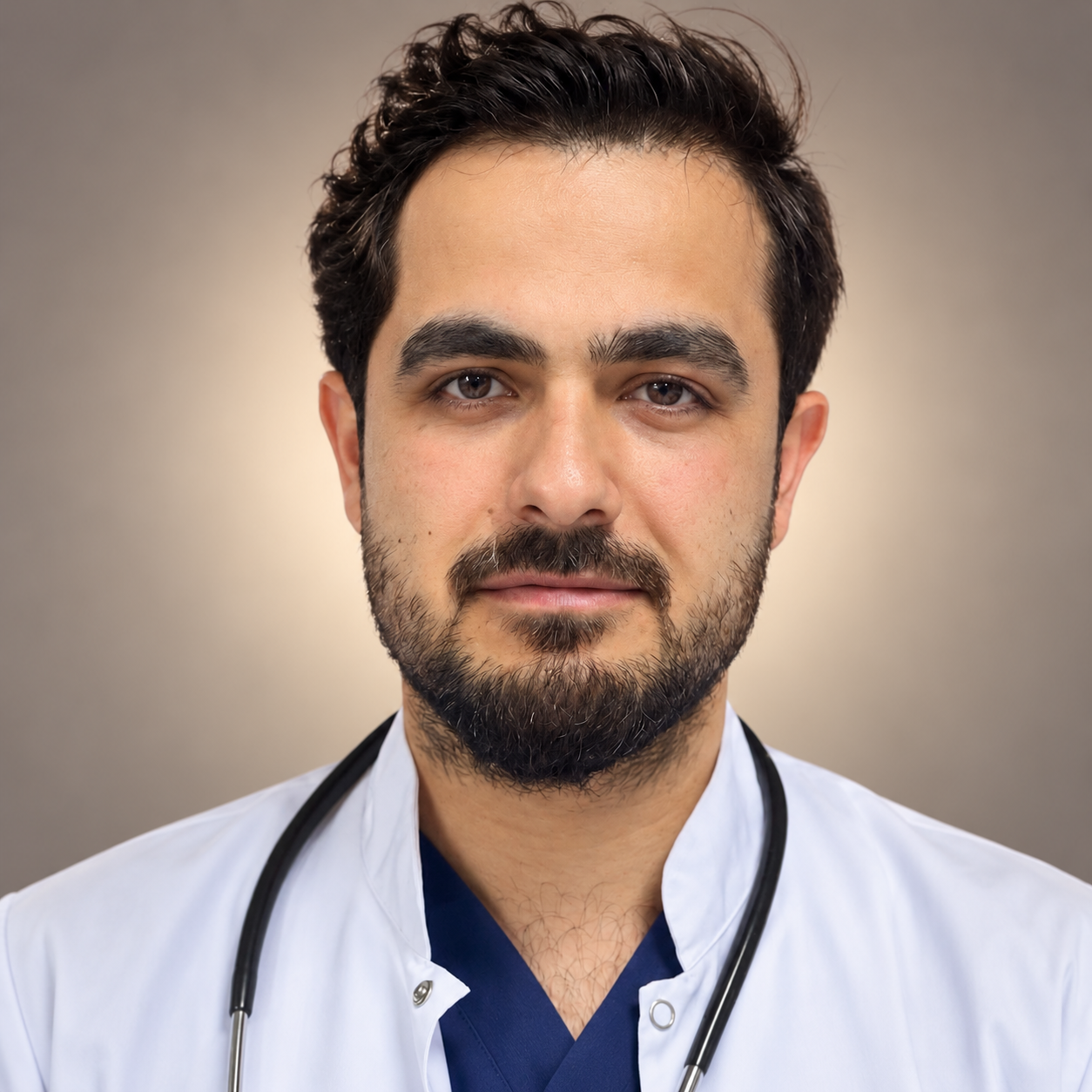
Araştırmaları veteriner cerrahisi, anesteziyoloji, oftalmoloji, ortopedi ve klinik uygulamada gelişen teknolojileri kapsamaktadır. Ortopedik teşhis için kızılötesi termografi, düşük seviyeli lazer tedavisi ve terapötik ultrason, veteriner anestezi ve analjezisi, göz içi basıncı ölçümü, yara iyileşmesi ve - en son olarak - büyük dil modellerinin (LLM'ler) veteriner teşhisinde ve klinik karar vermede uygulanmasına önemli katkılarda bulunmuştur.
Önemli Başarılar
Dr. OKUR, 131 atıf (Scopus) ve 7 h-indeksi toplayan 130'dan fazla yayının yazarı veya ortak yazarıdır. Çalışmaları, Veterinary Record, Veterinary Ophthalmology, Journal of Equine Veterinary Science, Archives of Rheumatology ve the Journal of the American Veterinary Medical Association başta olmak üzere yüksek etkili SCI/SCI-Expanded dergilerinde yayınlanmıştır. Çeşitli TÜBİTAK ve BAP destekli araştırma projelerinde yürütücü veya araştırmacı olarak görev yapmıştır.
Veteriner oftalmolojide nasıl kullanılır
Teşhiste başarımız
Katılımcılara not: Kendi göz vakalarınızın fotoğrafları ile gelin.
Veteriner oftalmolojide nasıl kullanılır
Teşhiste başarımız
Katılımcılara not: Kendi göz vakalarınızın fotoğrafları ile gelin.
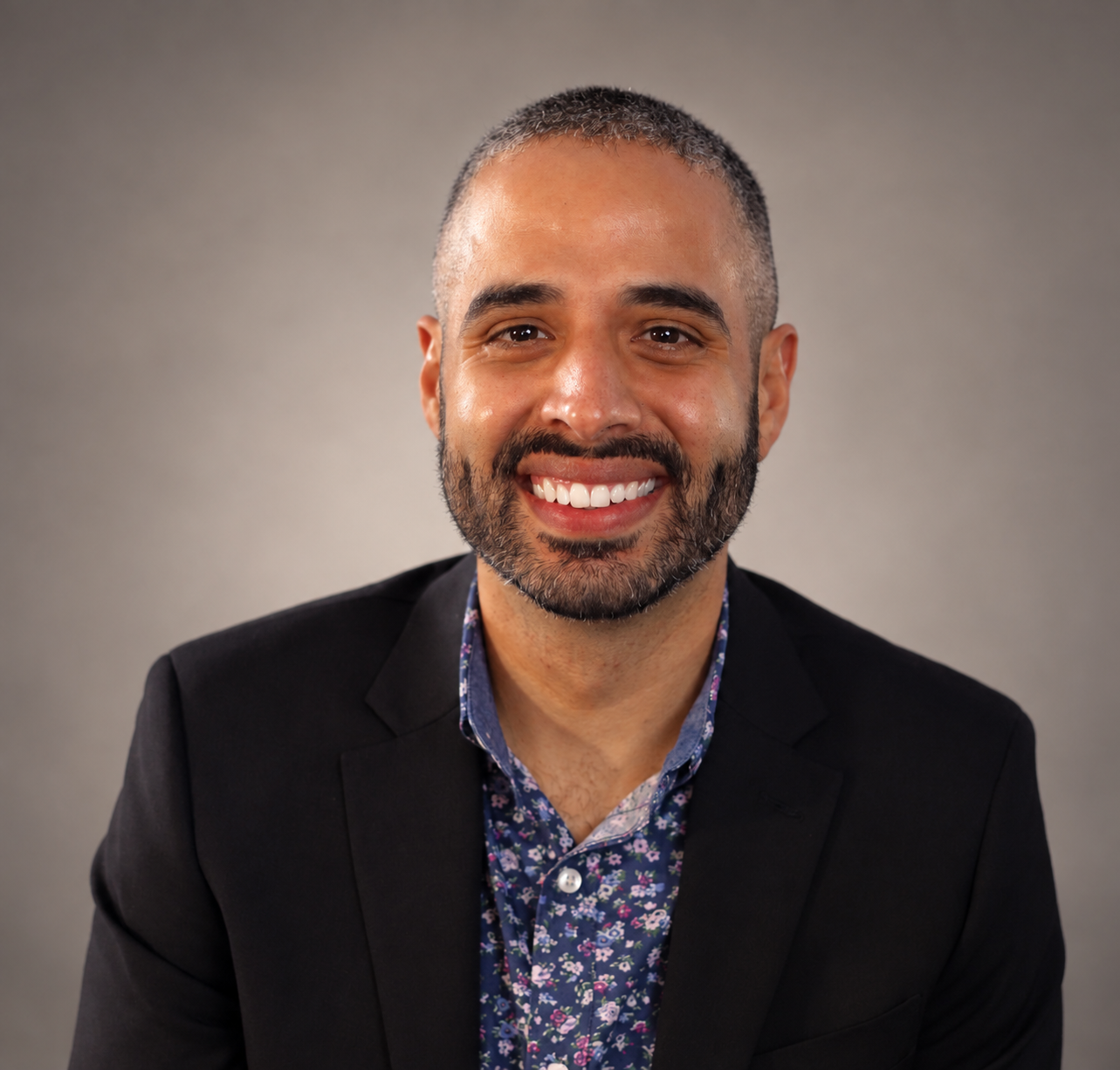
Eric, sadece veteriner tıbbı alanında çalışan, uluslararası alanda tanınan bir BT ve Dijital Stratejisttir. Garcia'nın çalışmaları sektör genelinde takdir görmüştür.
Eric, konferans katılımcıları tarafından VMX 2020 ve 2026 Yılın Konuşmacısı seçilmiştir. Dünyanın dört bir yanındaki konferanslarda düzenli olarak konuşmalar yapmaktadır.
Kediler, aynı sağlık risklerinin ve yaşa bağlı koşulların çoğuyla karşı karşıya kalmalarına rağmen, sıklıkla köpeklerden önemli ölçüde daha az veteriner bakımı alırlar. Stresli ziyaretlerden ve taşıma zorluklarından, kedi sağlığı ihtiyaçlarıyla ilgili yanlış anlamalara kadar, veteriner ekipleri, bir evcil hayvanın yaşamı boyunca kedi sahiplerini sürekli olarak işin içine katmaya çalışırken benzersiz engellerle karşılaşmaktadır.
Bu oturum, kedilerde uyumu iyileştirmek, Hasta sahibini güçlendirmek ve devam eden önleyici bakımı teşvik eden daha kedi dostu bir deneyim yaratmak için pratik, gerçek dünya stratejilerini araştırmaktadır. Katılımcılar; iletişim, iş akışı düzenlemeleri, dijital araçlar, eğitim ve ekip eğitiminin kedi sahipleri arasındaki değer algısını artırırken bakım önündeki engelleri azaltmaya nasıl yardımcı olabileceğini öğreneceklerdir.
Yavru kedi ziyaretlerinden yaşlı bakımına kadar uzanan bu seminer, daha sağlıklı kedileri ve daha güçlü uzun vadeli elde tutmayı desteklemek için veteriner ekiplerinin hasta kedileri ve sahipleriyle daha iyi bağlantı kurmasına yardımcı olmaya odaklanmaktadır.
Yapay zeka dünya çapında endüstrileri hızla dönüştürüyor ve veteriner hekimlik de bir istisna değil. YZ tarafından oluşturulan tıbbi notlardan ve hasta sahibi iletişim araçlarından öngörücü analitiğe, pazarlama otomasyonuna ve iş akışı optimizasyonuna kadar YZ, hasta sahibi ve ekip deneyimini geliştirirken verimliliği önemli ölçüde artırma potansiyeline sahiptir.
Bu oturum, veteriner hekimlerin bugün uygulamalarında yapay zekadan nasıl yararlanmaya başlayabileceklerine pratik ve ulaşılabilir bir bakış sunmaktadır. Katılımcılar; iletişim, operasyonlar, pazarlama, eğitim ve hasta bakımındaki YZ uygulamalarının gerçek dünyadaki örneklerini keşfederken, aynı zamanda veteriner hekimliğinde insan bağlantısını sürdürmenin önemini, etik hususları ve sınırlamaları da tartışacaklardır.
İster YZ'yi merak ediyor olun, ister halihazırda gelişmekte olan teknolojileri deniyor olun, bu seminer veteriner ekiplerinin daha akıllı çalışmasına, daha etkili iletişim kurmasına ve mesleğin geleceğine hazırlanmasına yardımcı olacak eyleme dönüştürülebilir fikirler ve stratejiler sunacaktır.
Günümüzde veteriner klinikleri her zamankinden daha fazla rekabetle karşı karşıyadır. Kurumsal birleşme, çevrimiçi eczaneler, acil bakımın genişlemesi, değişen hasta sahibi beklentileri ve artan dijital gürültü, kliniklerin kendilerini farklılaştırmasını ve uzun vadeli sadakat oluşturmasını zorlaştırmıştır.
Bu oturum, günümüz veterinerlik ortamında hasta sahibi algısını, güvenini ve sadakatini gerçekte nelerin yönlendirdiğini araştırmaktadır. Katılımcılar markalaşma, iletişim, hasta sahibi deneyimi, teknoloji, ekip kültürü ve tutarlılığın, kliniklerin evcil hayvan sahipleri tarafından nasıl algılandığını nasıl etkilediğini öğreneceklerdir.
Seminer ayrıca kliniklerin değerlerini nasıl daha iyi iletebileceklerini, hasta sahipleriyle duygusal bağları nasıl güçlendirebileceklerini ve giderek kalabalıklaşan bir pazarda kaybolmaktan nasıl kaçınabileceklerini de inceleyecektir.
Pratik örnekler ve eyleme dönüştürülebilir stratejiler sayesinde veteriner ekipleri, kliniklerinin öne çıkmasına, ilişkilerini güçlendirmesine ve sürdürülebilir büyümeyi desteklemesine yardımcı olmak için hemen uygulayabilecekleri fikirlerle ayrılacaklardır.
Evcil hayvan sahipleri bugün günlük yaşamlarının geri kalanıyla eşleşen kolaylık, netlik ve iletişim beklemektedir. Çevrimiçi rezervasyon ve dijital formlardan mesajlaşmaya, mobil uygulamalara, hatırlatıcılara, ödemelere ve teletıp uygulamalarına kadar teknoloji, artık hasta sahiplerinin veteriner bakımını nasıl deneyimledikleri konusunda önemli bir rol oynamaktadır.
Bu oturum, veteriner kliniklerinin veteriner tıbbını özel kılan kişisel bağlantıyı kaybetmeden verimliliği artırmak, sürtünmeyi azaltmak ve daha kusursuz bir hasta sahibi yolculuğu yaratmak için teknolojiyi nasıl kullanabileceğini araştırmaktadır. Katılımcılar mevcut sistemlerini nasıl değerlendireceklerini, hasta sahibi deneyimindeki boşlukları nasıl belirleyeceklerini ve hem ekibi hem de evcil hayvan sahibini destekleyen araçları nasıl uygulayacaklarını öğreneceklerdir.
Teknolojiyi gerçek hasta sahibi beklentileriyle uyumlu hale getirerek klinikler uyumluluğu güçlendirebilir, iletişimi geliştirebilir ve daha iyi bakımı destekleyen daha modern bir deneyim yaratabilir.
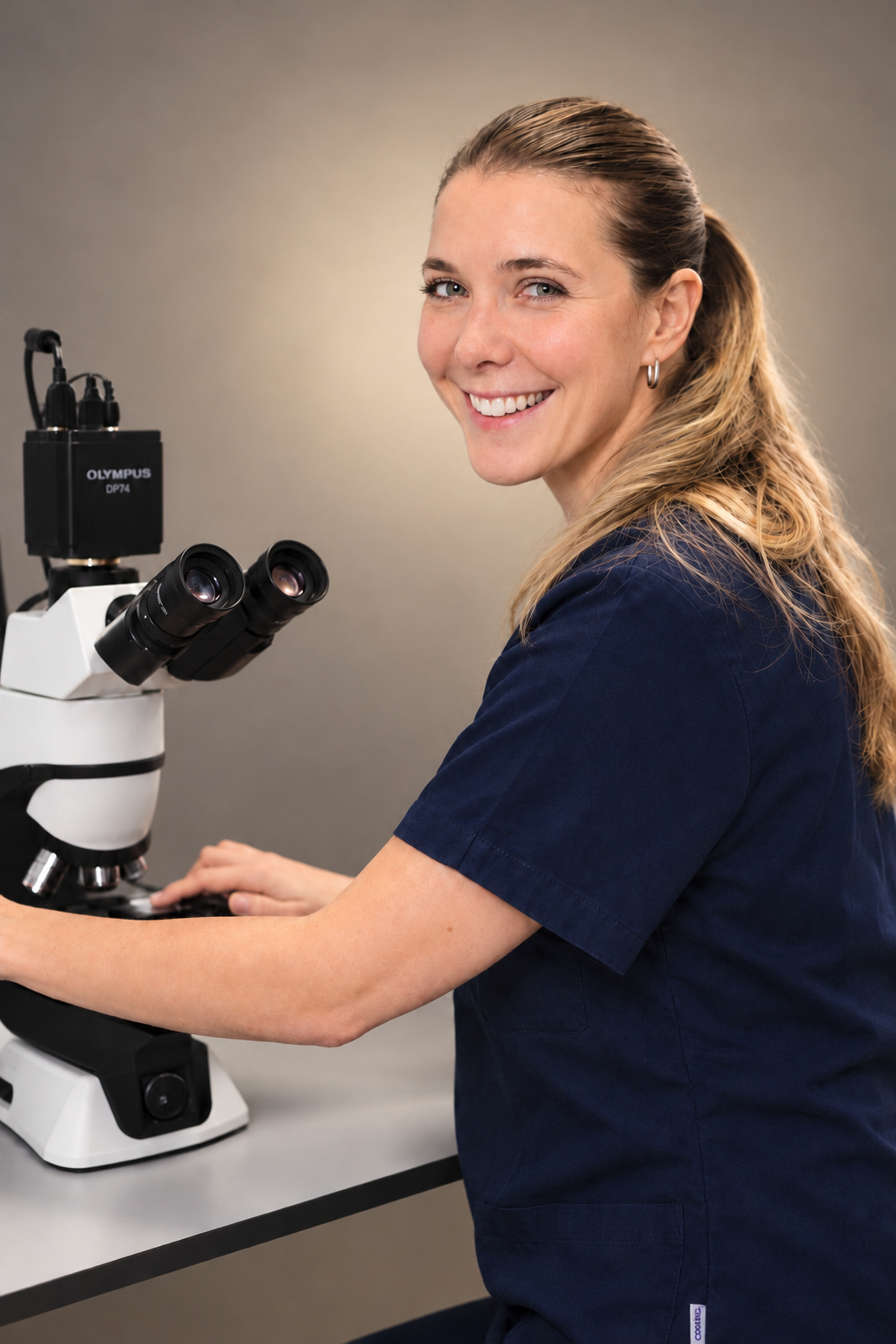
Gaëlle Schils, 2016 yılında Belçika'daki Liège Üniversitesi Veteriner Fakültesi'nden mezun oldu. Klinik eğitimini küçük hayvan hekimliği alanında rotasyonlu staj ile tamamladıktan sonra, Liège Üniversitesi'nde acil ve kritik bakım üzerine uzmanlık stajı yaptı. Ardından Belçika'daki Ghent Üniversitesi'nde evcil hayvanların iç hastalıkları alanında 3 yıllık uzmanlık eğitimini (residency) tamamlayarak 2023 yılında Küçük Hayvan İç Hastalıkları Avrupa Uzmanı (ECVIM-CA) unvanını almaya hak kazandı. Mesleki kariyeri, İsveç'in Stockholm kentindeki bir üçüncü basamak veteriner sevk merkezinde iç hastalıkları uzmanı olarak çalıştığı 3 yıllık bir dönemle daha da zenginleşti. Ekim 2024'ten bu yana Liège Üniversitesi'nde, köpeklerin idiyopatik pulmoner fibrozisi ve köpek akciğer karsinomunda immün kontrol noktası moleküllerinin ekspresyonuna odaklanan bir doktora çalışması yürütmektedir. Öncelikle veteriner endokrinolojisi alanında olmak üzere çeşitli bilimsel yayınların yazarı veya ortak yazarıdır.
Diabetes mellitus, küçük hayvan hekimliği uygulamalarında en sık karşılaşılan endokrin hastalıklardan biri olmasına rağmen, yönetimi gelişmeye devam etmektedir. Bu oturumda, köpek diyabetine kapsamlı ve pratik bir yaklaşım sunulacaktır. Ele alınacak konular arasında tanısal değerlendirme süreçleri, etkili hasta sahibi iletişim stratejileri ve optimize edilmiş, kişiselleştirilmiş tedavi planlarının pratik uygulamaları yer almaktadır.
İster mevcut protokollerinizi geliştirmek ister bu alandaki yeni gelişmeleri yakından takip etmek istiyor olun, bu oturum modern küçük hayvan hekimleri için uygulamaya dönüştürülebilir değerli bilgiler sunmaktadır.
Cushing sendromu, kedilerde nadir görülen bir tanıdır. Feline (kedi) formu, köpeklerdeki muadili ile birtakım benzer özellikler paylaşsa da; klinik seyir, tanısal yaklaşım ve tedaviye yanıt noktalarında önemli farklılıklar barındırır.
Bu ders, kedilerdeki hiperadrenokortisizme kapsamlı bir genel bakış sunarken, özellikle bu hastalığı daha yaygın bilinen köpek formundan ayıran kritik noktalara odaklanmaktadır.
Köpeklerin idiyopatik pulmoner fibrozisi, akciğer parankimi içinde hücre dışı matriksin aşırı birikmesiyle karakterize; ilerleyici, kronik ve geri dönüşü olmayan bir hastalıktır. Nadiren diğer ırklarda da görülebilmekle birlikte, ağırlıklı olarak yaşlı West Highland White Terrier ırkı köpekleri etkiler. Etiyolojisi hala bilinmemekle birlikte, genetik yatkınlığın çevresel tetikleyicilerle birleşmesinden güçlü bir şekilde şüphelenilmektedir.
Bu yuvarlak masa toplantısı; erken teşhis ve tanısal değerlendirmeden tedavi stratejilerine ve prognostik yaklaşımlara kadar, bu zorlu hastalıkla ilgili klinik deneyim ve bilgileri paylaşmak için açık ve mesleki bir tartışma ortamı sunmaktadır.
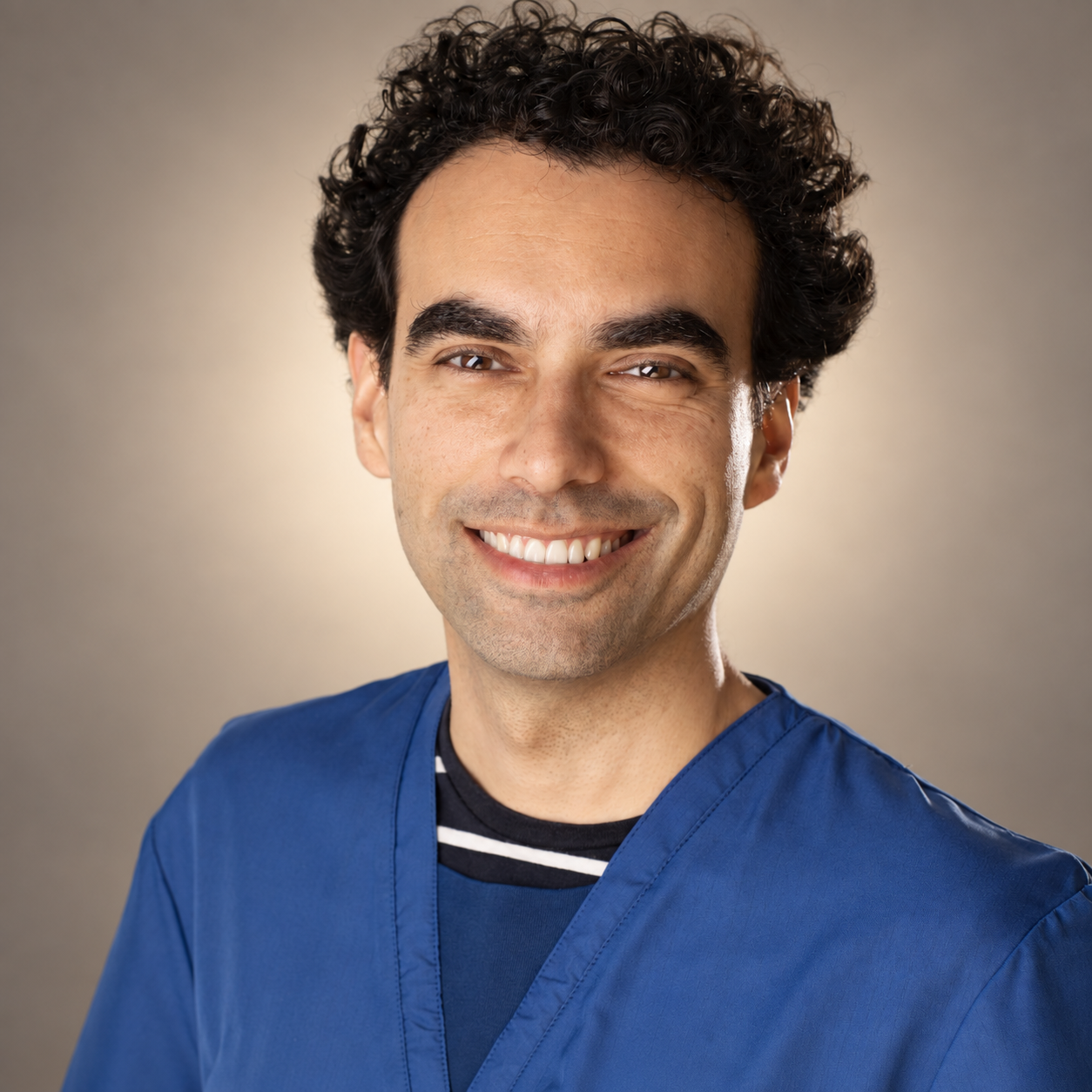
Miguel Campos, Lizbon Üniversitesi'nde eğitim görmüş ve 2005 yılında Veteriner Hekimliği Doktoru unvanıyla dereceyle mezun olmuştur. Ardından Fransa'daki Frégis Veteriner Hastanesi Merkezi'nde (Frégis Veterinary Hospital Center) bir yıllık dönüşümlü stajını tamamlamıştır. 2006-2010 yılları arasında Ghent Üniversitesi'nde küçük hayvan iç hastalıkları alanında uzmanlık eğitimini (residency) tamamlamış ve 2010 yılında ECVIM-CA (İç Hastalıkları) diploması almaya hak kazanmıştır. Araştırmalarına devam ederek "Köpek Tiroid Tümörlerinin Patogenezi ve Tedavisi" üzerine doktorasını (PhD) tamamlamıştır. Doktorasının ardından iki yıl boyunca Paris'teki Alfort Veteriner Okulu'nda dersler vermiş, 2016-2022 yılları arasında ise Bern Üniversitesi'nde klinik eğitmen ve öğretim görevlisi olarak çalışmıştır. Miguel, şu anda Amsterdam'daki AniCura Hayvan Tıp Merkezi'nde İç Hastalıkları Uzmanı olarak görev yapmakta olup temel araştırma odağı endokrinoloji ve tiroid hastalıkları olmaya devam etmektedir.
8. Veteriner Acil ve Yoğun Bakım Kongresi'nde (TuVECCA) yapacağım üç sunum, küçük hayvan hastalarında endokrin ve metabolik acil durumların tanınmasına ve acil yönetimine ayrılacaktır.
İlk sunumda, kedilerde şiddetli hipokalsemi ve hipertansiyon konuları ele alınacak; özellikle acil klinik pratiğinde en sık karşılaşılan altta yatan durumlara —hipoparatiroidizm ve hiperaldosteronizm— odaklanılacaktır. İkinci sunum, erken teşhisten pratik tedavi protokollerine kadar diyabetik ketoasidozu kapsamaktadır. Üçüncü sunum ise köpeklerdeki Addison krizini inceleyerek; bu krizin farklı klinik tablolarını, tanısal yaklaşımını ve acil yönetimini masaya yatıracaktır.
Her üç oturumda da, klinisyenleri klinik belirtiler ve ilk bulgulardan yapılandırılmış, verimli bir tetkik sürecine yönlendirecek problem odaklı bir tanı yaklaşımı üzerinde durulacaktır. Sunumlar, teori ile günlük acil tıp pratiği arasında köprü kurmak amacıyla gerçek klinik vakalardan yararlanılarak, pratik yönetim odaklı olacak şekilde tasarlanmıştır.
Bu oturumlar, veteriner hekimleri hayati tehlike arz eden endokrin acil durumları zamanında ve etkili bir şekilde tanıyıp yönetebilmeleri için gerekli araçlarla ve güvenle donatmayı amaçlamaktadır.

AKADEMİK KARİYER/ARAŞTIRMA
2023-2025
*İşletme Yönetimi Yüksek Lisansı (MBA; London School of Business and Finance)
2021-2022
*Perfüzyonist (Belgian Society for Extracorporeal Technology)
*2021'de başlandı; 2 yillik program bir yılda tamamlandı.
*2022'de diploma alındı
2017-2020
*Veteriner İç Hastalıkları Avrupa Rezidanı (Alt Uzmanlık Dalı: Kardiyoloji)
*2022'de Avrupa Diploması alındı
*2022'de RCVS Uzmanlık Diploması alındı
2019
*ESAVS - Veteriner Acil Bakım Kursu (Tamamlandı)
2018
*ESVPS Küçük Hayvan Kardiyolojisi Pratisyen Hekim Sertifikası (Tamamlandı)
2016-devam ediyor
*Ulusal ve uluslararası dergilerde yayınlar yapıldı.
*Ulusal ve uluslararası kongrelerde sunumlar yapıldı (veteriner ve beşeri tıp)
2012-2015
*Veteriner Hekimliği Yüksek Lisansı (Magna Cum Laude; Ghent Üniversitesi)
2009-2012
*Veteriner Hekimliği Lisansı (Cum Laude; Ghent Üniversitesi)
2003-2009
*Latin-Matematik (Cum Laude; Heilig-Hart College Waregem)
VETERİNER HEKİMLİKTE PRATİK DENEYİM
Mart 2022-mevcut pozisyon
*Kardiyoloji Uzmanı (Dick White Referrals, İngiltere)
*Fahri Doçent Dr. (Nottingham Üniversitesi, İngiltere)
Ekim 2020-Eylül 2021
*Kardiyoloji Klinisyeni (Specialist Veterinary Cardiology Consultancy; The Ralph Veterinary Referral Centre; İngiltere)
Eylül 2017-Eylül 2020
*Veteriner İç Hastalıkları Avrupa Rezidanı (Alt Uzmanlık Dalı: Kardiyoloji)
(Veteriner Fakültesi, Ghent Üniversitesi, Belçika)
Ağustos 2016- Ağustos 2017
*Dönüşümlü Staj (Lumbry Park Veterinary Specialists; İngiltere)
Aralık 2015-Temmuz 2016
*Genel Pratisyenlik – evcil hayvanlar (geçici pozisyonlar; doğum izni ikamesi; tek yetkili hekim)
Ağustos 2015-Aralık 2015
*Gönüllü çalışma (yaban hayatı + evcil hayvan kliniği; Güney Afrika)
PROFİL
*Mükemmel insan ilişkilerine sahip, güler yüzlü ve yaklaşılabilir
*Her duruma uyum sağlayabilen ve her zaman iyi bir takım oyuncusu
*Geçmiş görevlerinden edindiği deneyimle, veteriner hekimlikte olağanüstü bir standart uygulamak konusunda kişisel olarak kararlı
*Hasta bakımını odak noktası haline getiren mükemmel iş ahlakı sayesinde, baskı altında bile her zaman profesyonel ve soğukkanlı
*Problemleri tespit etme ve iyi düşünülmüş çözümler geliştirme becerisine sahip
*Duygusal zekası yüksek, dürüst, sabırlı, sağduyulu ve mizah duygusuna sahip
Renin-anjiyotensin-aldosteron sistemi (RAAS), kardiyovasküler hastalıkların patofizyolojisinde merkezi bir rol oynar. Köpeklerde ve kedilerde bu sistemin aktivasyonu; sodyum ve su tutulumuna, vazokonstriksiyona, kardiyak ön yük (preload) ve art yükün (afterload) artmasına, miyokardiyal yeniden şekillenmeye (remodelling), fibrozise ve konjestif kalp yetmezliğinin ilerlemesine katkıda bulunur. Bu nedenle, RAAS blokajı uzun yıllardır veteriner kardiyak tedavisinin temel taşlarından biri olmuştur.
Bu sunumda, küçük hayvan kardiyolojisinde RAAS'ın fizyolojik ve patolojik rolü; özellikle kronik kapak kalp hastalığı, dilate kardiyomiyopati, kedi kardiyomiyopatileri, sistemik hipertansiyon ve konjestif kalp yetmezliği odağında gözden geçirilecektir. Anjiyotensin dönüştürücü enzim inhibitörleri, anjiyotensin reseptör blokerleri ve mineralokortikoid reseptör antagonistlerine yönelik mevcut kanıtlar; klinik sonuçlar, yaşam kalitesi, sağkalım, böbrek fonksiyonu ve nörohormonal aktivasyon üzerindeki etkileri de dahil olmak üzere tartışılacaktır.
Miksömatöz mitral kapak hastalığı olan köpeklerde RAAS blokajının zamanlamasına, özellikle preklinik hastalık ile yerleşmiş konjestif kalp yetmezliği arasındaki ayrıma özel bir önem verilecektir. Ayrıca sunumda, spironolaktonun pratik kullanımı, aldosteron kaçışı (aldosterone breakthrough) kavramı ve tedavi sırasında böbrek parametreleri ile elektrolitlerin izlenmesinin önemi ele alınacaktır.
Oturumun sonunda katılımcılar, RAAS blokajının ne zaman kanıta dayalı olduğunu, kanıtların ne zaman daha zayıf veya tartışmalı olduğunu ve bu ilaçların veteriner acil ve yoğun bakım süreçlerinde rasyonel, hasta odaklı bir tedavi planına nasıl entegre edilebileceğini net bir şekilde anlamış olacaklardır.
Kardiyovasküler hastalıklar küçük hayvan pratiğinde yaygındır, ancak klinik olarak önem taşıyan birçok kardiyak olay muayene odasının dışında gerçekleşir. Kalp atış hızı, ritim, solunum paterni, üfürüm özellikleri ve klinik durumdaki değişiklikler, planlı bir kontrol randevusundan önce ev ortamında gelişebilir. Bu durum, hastane tabanlı teşhisler ile günlük hasta takibi arasında önemli bir boşluk yaratır. Sonuç olarak, hasta çıktıları bazen olabileceğinden daha kötü seyreder ve veteriner klinikleri evde takip gibi potansiyel bir gelir kaynağını kaçırmış olur.
Sonus Health; köpeklerde, kedilerde ve atlarda klinisyenler veya hayvan sahipleri tarafından uzaktan kardiyovasküler takibi desteklemek için tasarlanmış dijital bir sağlık uygulamasıdır. Sistem, hayvan sahiplerinin akıllı telefon kullanarak kalp seslerini kaydetmesine olanak tanıyarak kardiyak tarama, takip ve hastalık gözetimine erişimi artırmayı amaçlar. Yapay zeka; üfürümler, ritim düzensizlikleri ve kalp hızındaki değişiklikler gibi anomalilerin tespit edilmesine yardımcı olabilirken, seçilen kayıtlar gerektiğinde uzman hekimler de dahil olmak üzere veteriner profesyonelleri tarafından incelenir.
Bu sunumda, uzaktan oskültasyonun ve dijital takibin veteriner kardiyolojisi ve acil bakımındaki potansiyel rolü incelenecektir. Klinik uygulamalar arasında geriatrik hastaların taranması, hız kontrolü tedavisi sırasında aritmisi olan köpek ve kedilerin izlenmesi, konjestif kalp yetmezliği olan hastaların takibi, aralıklı klinik belirtiler gösteren hayvanların değerlendirilmesi ve hastane ziyaretleri arasındaki kötüleşme belirtilerinin daha erken tespit edilmesi yer almaktadır.
Sunumda ayrıca, hayvan sahipleri tarafından oluşturulan verilerin fırsatları ve sınırlılıkları da ele alınacaktır; kayıt kalitesi, klinik yorumlama, yanlış pozitif ve negatifler, mevcut iş akışlarına entegrasyon ve veteriner gözetiminin sürdürülmesinin önemi tartışılacaktır. Sonus Health gibi platformlar, fiziksel muayene veya ekokardiyografinin yerini almaktan ziyade, ek bir izleme katmanı sağlayabilir ve klinisyenlerin daha bilinçli kararlar almasına yardımcı olabilir.
Oturumun sonunda katılımcılar, uzaktan kardiyak takibinin kardiyovasküler hastaların daha erken teşhisine, iyileştirilmiş takibine, hayvan sahibi uyumuna ve daha proaktif yönetimine nasıl katkıda bulunabileceğini anlamış olacaklardır.
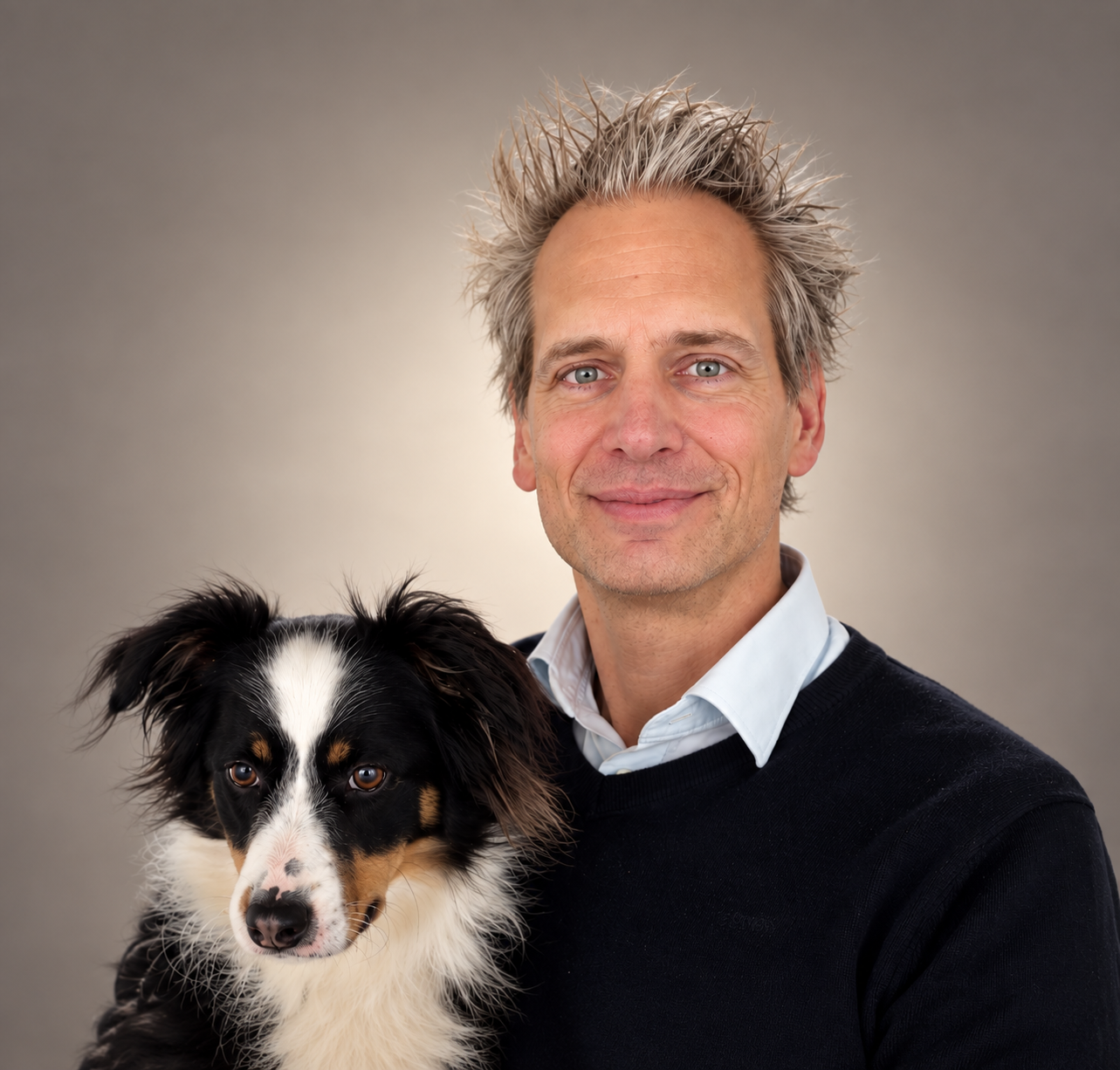
Prof. Dr. Holger Volk, veterinerlik eğitimini tamamladıktan sonra 2004 yılında doktorasını Hannover’deki Stiftung Tierärztliche Hochschule’de yapmıştır. 2013-2018 yılları arasında Royal Veterinary College’da Veteriner Nöroloji ve Nöroşirürji Profesörü olarak görev yapmış, aynı zamanda klinik direktörlük ve bölüm başkanlığı gibi önemli pozisyonlarda bulunmuştur. Avrupa Veteriner Nöroloji Koleji diplomalı bir üyesi olan Prof. Volk, özellikle epilepsi, nöropatik ağrı ve hayvan davranışları üzerine yaptığı araştırmalarla bilim dünyasına önemli katkılar sağlamıştır. Akademik ve profesyonel kariyerindeki başarıları, uluslararası ödüllerle taçlandırılmıştır.
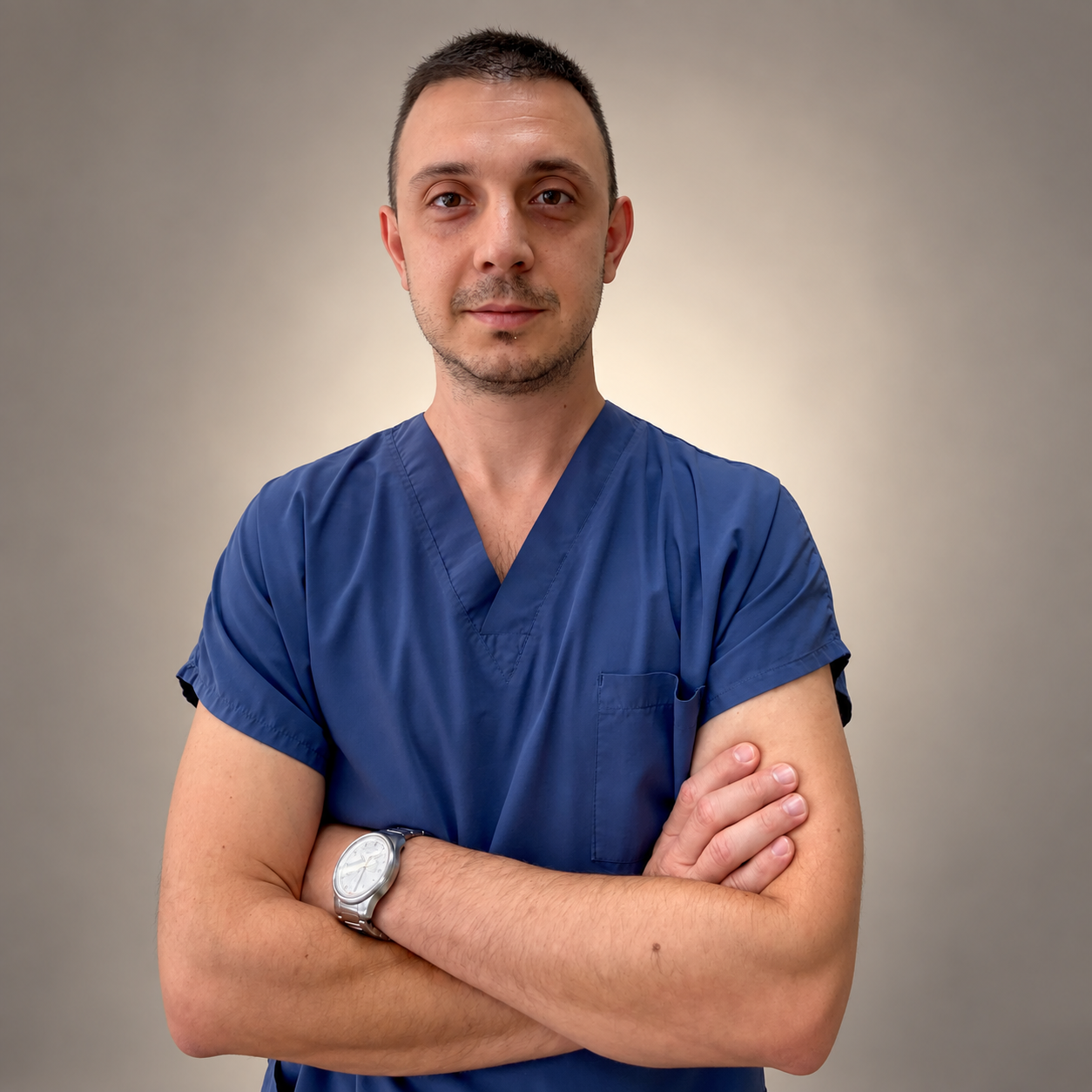
1988 yılında Balıkesir’de doğdu. Ankara Üniversitesi Veteriner Fakültesi’nden 2012 yılında mezun oldu. Doktora eğitimini Aydın Adnan Menderes Üniversitesi Sağlık Bilimleri Enstitüsü Hayvan Besleme ve Beslenme Hastalıkları Anabilim Dalı’nda 2018 yılında tamamlayarak "Doktor" unvanını aldı; 2023 yılında ise “Doçent” unvanına hak kazandı.
Akademik kariyerine MAKÜ Veteriner Fakültesi Hayvan Besleme ve Beslenme Hastalıkları Anabilim Dalı’nda öğretim üyesi olarak devam eden Doç. Dr. Eren KUTER, üniversite bünyesinde Sağlık Bilimleri Enstitüsü Müdür Yardımcılığı ve Veteriner Fakültesi Dekan Yardımcılığı idari görevlerini de yürütmüştür. Çalışmalarında kedi ve köpeklerin klinik beslenmesi, terapötik diyetler, hastalıkların besinsel yönetimi, diyet formülasyonları ve yem güvenliği alanlarına odaklanmaktadır.
Akademik çalışmalarının yanı sıra pet besleme sektöründe üretim, formülasyon ve Ar-Ge alanlarında bilimsel danışmanlık hizmeti vermektedir.
Kedi ve köpeklerde endokrin sistem hastalıkları; yalnızca tek bir organ disfonksiyonuyla sınırlı kalmayıp, tüm ara metabolizmayı ve sistemleri etkileyen karmaşık klinik tablolardır. Diabetes mellitus, hiperadrenokortisizm ve tiroid bezi disfonksiyonları gibi endokrinopatilerde tıbbi tedavinin başarısı, hedefe yönelik nutrisyonel stratejilerle doğrudan ilişkilidir. Ancak klinik pratikte en büyük zorluk, sıklıkla bu tablolara eşlik eden kronik böbrek hastalığı (KBH), pankreatit ve gastrointestinal bozukluklar gibi komorbiditeler varlığında ortaya çıkmaktadır.
Bu sunumda; endokrin regülasyonda fonksiyonel besin maddelerinin (lif fraksiyonları, esansiyel yağ asitleri, mikro besleyiciler) hücresel düzeydeki etkileri ele alınacak, hormonal dalgalanmaların metabolik kontrolü değerlendirilecektir. Özellikle çakışan veya birbirine zıt diyet kısıtlamaları gerektiren komorbid olgularda uygulanabilecek kanıta dayalı fonksiyonel besleme stratejileri tartışılacaktır.
Adipoz doku, günümüzde pasif bir enerji depolama sahası olmanın ötesinde, salgıladığı çok sayıda biyoaktif peptit (adipokinler) ve pro-inflamatuar medyatörler aracılığıyla sistemik metabolizmayı yöneten dinamik bir endokrin organ olarak kabul edilmektedir. Evcil hayvanlarda yüksek yaygınlıkta seyreden obezite kronik düşük dereceli sistemik inflamasyonu tetikleyerek insülin direnci, hepatik lipidozis, dislipidemi ve kardiyovasküler yük gibi ciddi metabolik süreçlerin başlamasına zemin hazırlamaktadır.
Bu oturumda; pet hayvanlarında obezite, adipoz dokunun endokrin aktivitesi, adiponektin ve leptin regülasyonu ile adiposit hipertrofisinin metabolik sonuçları incelenecektir. Obezite ve obeziteye bağlı metabolik sorunların düzenlenmesinde rol oynayan güncel nutrisyonel müdahaleler ele alınacaktır. Sunum kapsamında, kilo verdirme programlarının düzenlenmesi ve zayıflama sürecinde kalori kısıtlamasının ötesine geçen makro besin dengesi, amino asit profili, yağ asidi düzeyleri ve tokluk fizyolojisini gözeten güncel klinik diyet protokolleri aktarılacaktır.
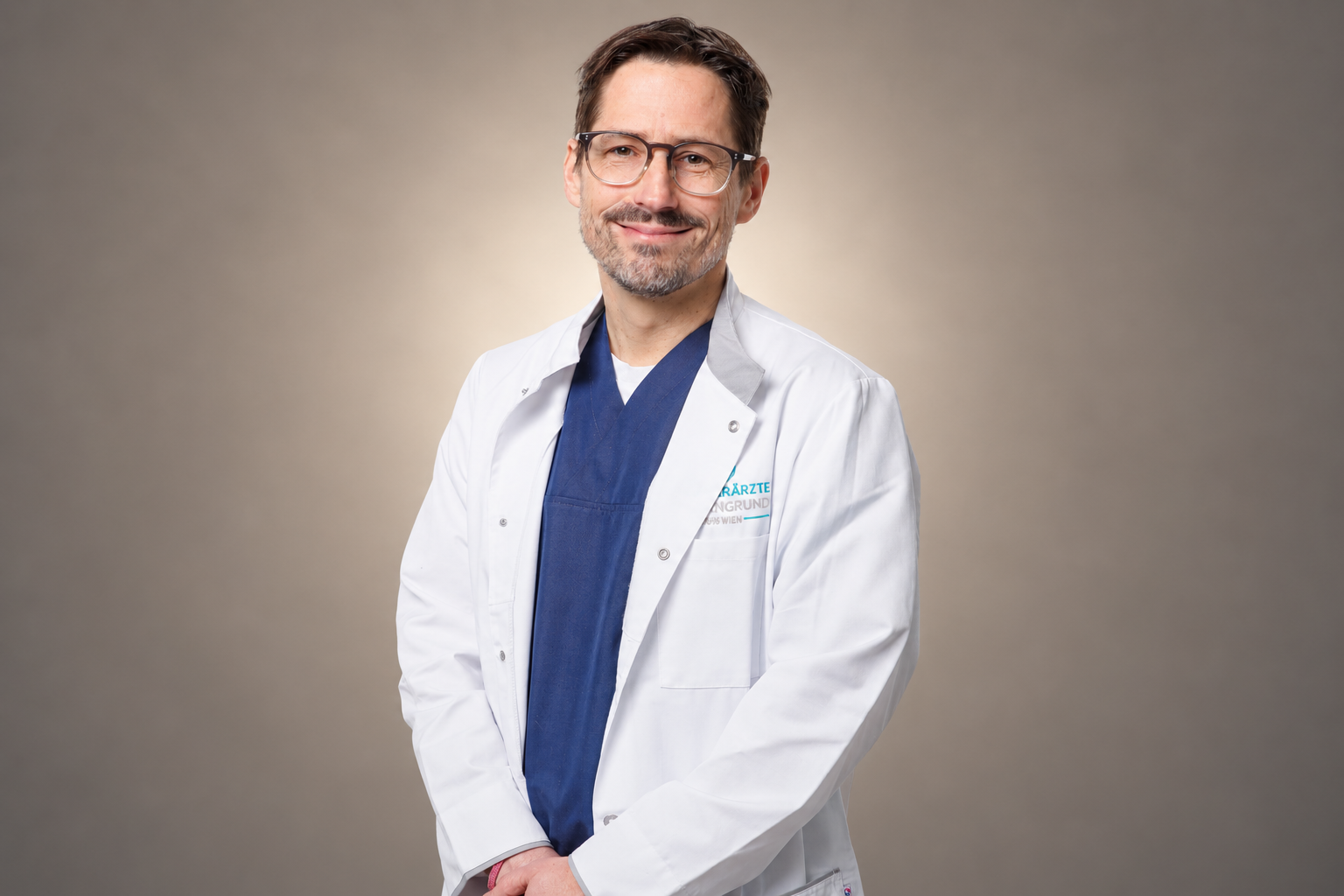
Maximilian Pagitz, Mag. Dr. med. vet., Dipl. Avusturya Küçük Hayvan Hekimliği Uzmanı
Maximilian Pagitz, Avusturya’nın Viyana kentinde görev yapan küçük hayvan hekimliği uzmanıdır. Viyana Veteriner Üniversitesi’nde 17 yıl boyunca küçük hayvan iç hastalıkları alanında klinik hizmet, eğitim ve araştırma faaliyetlerinde bulunmuş; ardından üniversitenin Nükleer Tıp Birimi’nde Medikal Direktör olarak görev yapmıştır. Bu görev kapsamında sintigrafi ve radyoiyot tedavisi üzerine çalışmalar yürütmüştür.
2021 yılından bu yana Viyana’da bir sevk kliniği olan Fachtierärzte Althangrund’un kurucu ortağı ve partneridir. Klinik ve bilimsel ilgi alanları arasında iç hastalıkları, endokrinoloji, nükleer tıp ve onkoloji bulunmaktadır.
Hakemli dergilerde çok sayıda makalesi yayımlanmış ve ortak yazarlık yapmış olan Dr. Pagitz, ulusal ve uluslararası birçok veteriner hekimlik kongresinde kapsamlı konuşmalar gerçekleştirmiştir.
Kan testleri, preanalitik hatalar, test yöntemlerine bağlı interferanslar ve doğru tanının önüne geçebilecek yaygın yanlış yorumlamalar üzerine odaklanmaktadır. Endokrin testlere ne zaman başlanması anlamlıdır? Hangi kan testleri ve tanısal prosedürler gerçekten faydalıdır? Sonuçların güvenilir şekilde yorumlanabilmesi için numuneler nasıl gönderilmelidir? Bu konuşmanın temel amacı; klinisyenlere, bir endokrin test sonucuna ne zaman güvenilebileceği ne zaman sorgulanması gerektiği ve hangi durumlarda yalnızca sayısal sonuca göre tedavi başlamak yerine testin tekrarlanmasının veya farklı bir tanısal yönteme geçilmesinin daha uygun olacağı konusunda pratik bir yaklaşım sunmaktır.
Hipoadrenokortisizmin farklı formlarının tanısına odaklanmaktadır. Hastalığın farklı klinik görünümleri ele alınacak; kesin tanıya ulaşmayı ve hedefe yönelik tedavi uygulanmasını sağlayan tanısal süreçler ayrıntılı olarak değerlendirilecektir.
Kedilerde hipertiroidizme ayrılmıştır. Hastalıktan ne zaman şüphelenilmelidir, tanı nasıl konulmalıdır ve hangi tedavi seçenekleri ile riskler göz önünde bulundurulmalıdır?
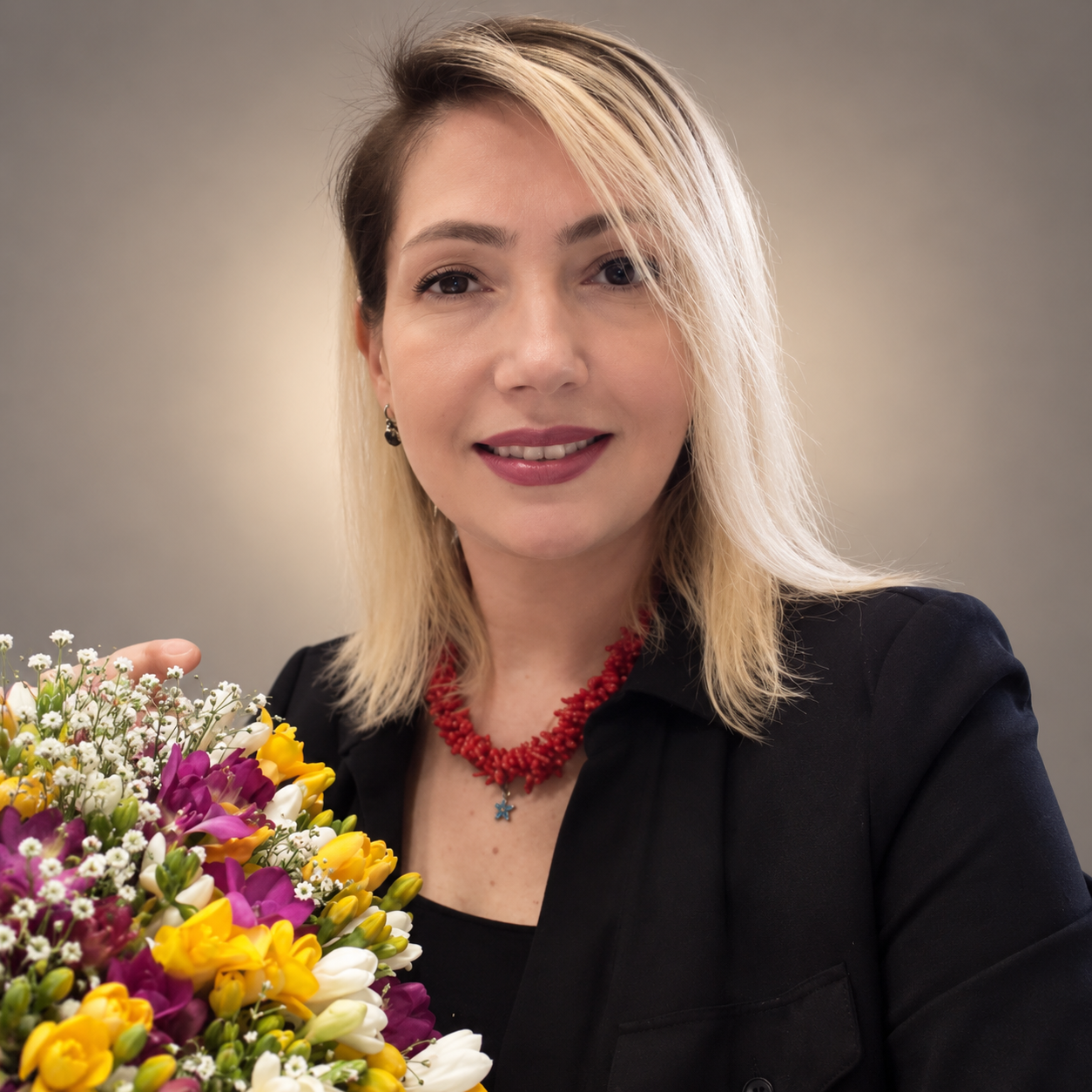
Ankara Üniversitesi Veteriner Fakültesi’nden 2003 yılında mezun olan Gökçen Dinç, 2009 yılında Ankara Üniversitesi Sağlık Bilimleri Enstitüsü Mikrobiyoloji doktorasını tamamlayarak aynı yıl Erciyes Üniversitesi Tıp Fakültesi Tıbbi Mikrobiyoloji Anabilim Dalı’nda göreve başlamıştır. 2010 yılında Ankara Gülhane Askeri Tıp Akademisi’nde mezenkimal ve hematopoetik kök hücre eğitimi sonrası, İngiltere’de Newcastle Üniversitesi İnsan Genom Enstitüsü’nde embriyonik kök hücre eğitimi almıştır. 2011 yılında kök hücre GMP sertifikasını da alarak, kamu elinde ilk ve tek kök hücre üreten Genom ve Kök Hücre Merkezi (GENKÖK) GMP Birimi Kalite Sorumlusu olarak görev almıştır ve halen devam etmektedir. 2018 yılında Erciyes Üniversitesi Tıp Fakültesi’nde Doçent, 2023 yılında da Profesör kadrosuna atanmıştır. Wos H-indeksi 10 olan Dr. Gökçen Dinç’in, Frontiers ve European Journal of Clinical Microbiology & Infectious Disease gibi yüksek etki faktörlü dergilerde de olmak üzere toplam 110 yayını bulunmaktadır. Dr. Gökçen Dinç, dirençli bakterilerle preklinik enfeksiyon modelleri, sepsis ve kök hücre tedavileri konusunda 28 proje üzerinde çalışmıştır. Ayrıca, Dr. Gökçen Dinç’in çeşitli Avrupa Birliği COST aksiyonlarına üyelikleri ve çalışmalarına yönelik ödülleri mevcuttur.
1 - Erciyes Üniversitesi Tıp Fakültesi Tıbbi Mikrobiyoloji Anabilim Dalı, Kayseri, Türkiye.
2 - Erciyes Üniversitesi Genom ve Kök Hücre Merkezi (GENKÖK) MKH GMP Ünitesi, Kayseri, Türkiye.
Özellikle son yıllarda Rejeneratif tıp; "semptom yönetimi" paradigmasından "hücresel ve dokusal rekonstrüksiyon/tedavi" paradigmasına geçişin tam merkezinde yer alan, biyoteknoloji ile klinik tıp kesişimindeki en dinamik alanlardan birisidir. Rejeneratif tıbbın güncel durumu; hücresel tedaviler, gen terapileri, asellüler terapiler (sekretom, eksozom),doku mühendisliği (3-D baskı, biyomateryaller) başlıkları altında incelenebilir. Hücresel tedaviler mezenkimal ve hemopoetik kök hücre uygulamaları, stromal vasküler fraksiyon (SVF) ve son yıllarda alojenik iPSC (indüklenmiş pluripotent kök hücre) uygulamaları ve immünohücresel tedavi (CAR-T/CAR-NK) türevlerine kaymıştır. Kök hücreler sınırsız veya uzun süreli kendini yenileme (self-renewal) yeteneğine ve uygun mikroçevre (niş) koşullarında spesifik hücresel hatlara farklılaşma (differentiation) potansiyeline sahip farklılaşmamış progenitör hücrelerdir. Çoğunlukla doğrudan transdiferansiyasyondan ziyade, salgıladıkları sekretom (eksozomlar, miRNA'lar, VEGF, TGF-β, HGF vb.) aracılığıyla parakrin, immünomodülatör ve anjiyojenik etki gösterirler. SVF, yağ dokusunun enzimatik (kollajenaz) veya mekanik izolasyonundan sonra, olgun adipositlerin uzaklaştırılmasıyla elde edilen heterojen ve asellüler olmayan biyolojik hücre peletidir. PRP (Platelet-Rich Plasma - Trombositten Zengin Plazma) tam kanın santrifüj edilmesiyle elde edilen, eritrositlerden arındırılmış, trombosit (platelet) konsantrasyonu tam kandan oldukça (genellikle 3x–8x) yüksek olan otolog, hücre içi büyüme faktörü solüsyonudur. PRP bir kök hücre tedavisi değildir; temel olarak asellüler/sinyal bazlı bir rejeneratif ajandır. Mezenkimal kök hücreler ileri tedavi tıbbi ürünü olarak tanımlanırken, SVF minimal manipüle klinik ürün, PRP ise otolog kan ürünü uygulaması olarak tanımlanır. Bu tedavi ürünlerinin hangi endikasyonda, hangi yaş ve durumdaki hastada kullanılması gerektiği artan klinik uygulama verileri ile netleşecektir. MKH, SVF ve PRP’nin beşeri ve veteriner hekimlikte kullanımı açısından temel araştırma alanları klinik aşamalara, in vitro modellemelere ve onaylı biyolojik ürünlere dönüşmüş durumdadır.
Anahtar sözcükler: MKH, PRP, SVF, Klinik uygulamalar, Rejeneratif tıp
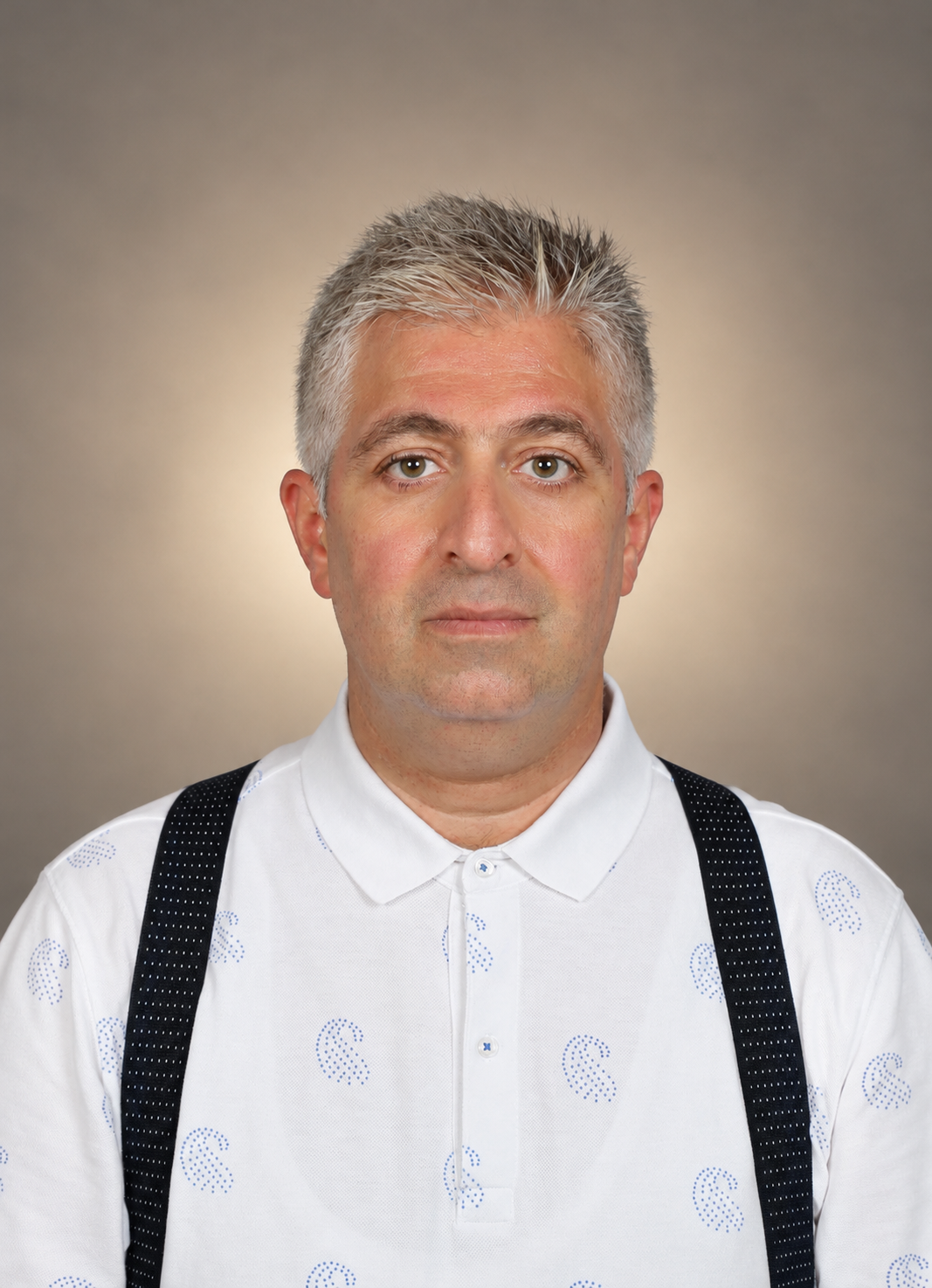
1994 yılında Ankara Üniversitesi Veteriner Fakültesi’nden mezun olan Prof. Dr. Veysel Soydal Ataseven aynı üniversitede veteriner viroloji alanında doktora yapmıştır. Akademik çalışmaları ağırlıklı olarak hayvanlardaki viral enfeksiyonların tanısı ve epidemiyolojisine odaklanmaktadır. 2005 yılında Dünya Hayvan Sağlığı Örgütü’nün at virus hastalıkları referenz laboratuvarı olan Animal Health Trust (Newmarket, İngiltere)’ta Dr. Janet Daly ile at influenza virus (EIV) ve at herpesvirus tip 1 ve 4 enfeksiyonları (EHV-1 ve -4) üzerine araştırmalar yürütmüştür. 2007 yılında Türk Atçılığına Katkı Ödülü’nü almıştır.
Uluslararası ve ulusal hakemli dergilerde çok sayıda makalesi, kitap bölümleri ve bilimsel kuruluşlara üyeliği de bulunan Prof. Ataseven çok sayıda kongre ve uydu sempozyumda da davetli konuşmacı olarak sunumlar yapmıştır.
2006 yılından itibaren Hatay Mustafa Kemal Üniversitesi Veteriner Fakültesi Viroloji Anabilim Dalı’nda lisans ve lisansüstü düzeyde eğitim ve araştırma faaliyetlerini sürdürmektedir.
Yüzyıllardır en büyük savaş görünmeyen düşmanlara karşı verilmektedir. Bu savaşta galip gelerek varlığımızı devam ettirmemizi sağlayan ana unsur bağışıklıktır. Fiziki düşmanlar için tanımlanan Sun Tzu'nun klasik eseri Savaş Sanatı'nda "Düşmanını tanı ve kendini bil" ilkesi patojen mikroorganizmalarla mücadelenin ana bileşenleri olan sosyolojik olgular, aşılama, biyogüvenlik ve bağışıklık yönetimini de içerecek şekilde hekimlik yaklaşımına uyarlanmıştır. Sunum; enfeksiyonlarla mücadelemizi etkileyen etiyolojik faktörler, bağışıklık, aşılama ilkeleri ve viral immunpatogeneze odaklanacaktır.
Klinik laboratuvar tanı; klinik izlenimlerin doğrulanması, tedaviyi karar verilmesi ve prognozun değerlendirebilmesinde en önemli araç olduğu için tanı bulgularını etkileyen faktörlerin bilinmesi, sonuçların doğru yorumlanması ve değerlendirilmesi, gerekirse doğrulanması (konfirmasyonu) önemlidir. Klinik laboratuvar tanı; çok sayıda enfeksiyöz etkenin serolojik, bakteriyolojik, virolojik, biyokimyasal ve moleküler vd. tanı metotlarını içeren çok geniş ölçekli bir uygulamadır. Bu sunum virus hastalıklarının tanısı özelinde; pet kliniklerinde en sık başvurulan serolojik tanı metodu ELISA ve moleküler tanı metodu PCR uygulaması ve değerlendirilmesi üzerine odaklanacaktır. Tanıda doğrular ve yanlışlar konuşulacak ve katılımcılarla kantitatif bir yöntem olan real-time PCR atölyesi gerçekleştirilecektir.
Dr. Yi Cui is a board-certified veterinary internal medicine specialist (ECVIM-CA) with an international career spanning academia, clinical leadership, education, and consultancy in small animal internal medicine. She obtained her veterinary degree magna cum laude from the Ghent University and also holds a Master’s degree in Biology with a specialization in animal physiology from the KU Leuven. Following a rotating internship at Ghent University, she completed an ECVIM-CA residency in Small Animal Internal Medicine at the University of Giessen, earning diplomate status in 2019.
Dr. Cui has held specialist and supervisory positions at leading veterinary institutions across Europe and Asia, including the University of Giessen, University of Bern, Utrecht University, and VSH Hong Kong. Since 2023, she has been the founder of Bohoja Vets, focusing on international consultancy, internal medicine education, and development of veterinary clinical services.
Her special academic interests include endocrinology and interventional medicine. She has authored and co-authored multiple peer-reviewed publications in journals such as the Journal of Veterinary Internal Medicine and Journal of Feline Medicine and Surgery. In addition to her research activities, she is an active international lecturer for organizations including Improve Veterinary Education, ESAVS, Boehringer Ingelheim, and several international congresses.
Dr. Cui is dedicated to mentorship and postgraduate education, serving as a resident and intern educator and founding the Resident Club in 2025 to support Internal Medicine residents. Her contributions to veterinary medicine have been recognized through multiple awards and research grants, including the ESVE Pilot Research Award and the ECVIM Best Oral Abstract Presentation Award.
Canine hypothyroidism is a common endocrine disorder, most often caused by primary thyroid dysfunction due to lymphocytic thyroiditis or thyroid atrophy. Secondary causes (pituitary disease) and congenital forms are rare. Thyroid hormones, mainly thyroxine (T4, converted to T3), are vital for metabolism, thermoregulation, cardiovascular and neuromuscular activity, skin and coat health, and reproduction.
The disease typically affects middle-aged to older dogs. Clinical signs develop gradually. Dermatological changes include alopecia, poor coat quality, seborrhea, hyperpigmentation, and recurrent skin infections. Systemic effects are lethargy, inactivity, weight gain without increased appetite, cold intolerance, and mental dullness. Neurological issues (polyneuropathy, facial paralysis, seizures) occur less often, while bradycardia, infertility, and ocular lipid deposits are occasionally observed.
Diagnosis relies on clinical suspicion supported by laboratory testing. Typical findings include mild non-regenerative anemia and, in most cases, hypercholesterolemia. The combined measurement of total T4 (TT4) and thyroid-stimulating hormone (TSH) is considered the first-line diagnostic approach. Breed-specific variations (e.g., Greyhounds with naturally low TT4) and drug effects (such as phenobarbital or glucocorticoids) must be taken into account. In ambiguous cases, thyroid scintigraphy can provide confirmation.
Treatment consists of lifelong levothyroxine sodium (L-T4). Monitoring after 6–8 weeks ensures appropriate dosing, with serum hormone checks taken 4–6 hours post-pill. Clinical recovery is progressive: activity improves within days, metabolic changes in weeks, dermatologic recovery in months, and neurological or reproductive function over several months. With correct therapy and follow-up, the prognosis is excellent.
Canine hyperadrenocorticism (HAC), also known as hypercortisolism or Cushing’s syndrome, is caused by chronic excess of glucocorticoids. Most cases (80–90%) are pituitary-dependent (PDH), due to corticotroph adenomas stimulating ACTH secretion, while 15–20% are adrenal tumors (AT).
Clinical presentation typically involves middle-aged to geriatric dogs. Common signs include polyuria, polydipsia, polyphagia, abdominal distention, panting, hepatomegaly, endocrine alopecia, muscle weakness, and systemic hypertension. Dermatological changes such as bilateral alopecia, thin skin, calcinosis cutis, recurrent pyoderma, and hyperpigmentation are also seen.
Diagnosis is based on clinical suspicion, bloodwork, urinalysis, imaging, and adrenal function testing. Laboratory abnormalities often include a stress leukogram, thrombocytosis, increased liver enzymes (ALP, ALT), hypercholesterolemia, proteinuria, and hyposthenuria. Screening tests include the UCCR, LDDST, and the ACTH stimulation test. Differentiation between PDH and AT may be achieved by endogenous ACTH measurement, HDDSTand/or imaging (ultrasound, CT, MRI).
Feline diabetes mellitus (DM) is a common endocrine disorder characterized by chronic hyperglycemia, typically caused by insulin resistance and β-cell dysfunction. Traditional management has relied on insulin therapy combined with dietary modification, but limitations in owner compliance, cost, and treatment complexity highlight the need for alternative strategies.
Sodium-glucose cotransporter 2 (SGLT2) inhibitors, widely used in human medicine, reduce blood glucose levels by promoting renal glucose excretion independent of insulin. This mechanism offers advantages for feline patients, including weight reduction, improved glycemic control, and potentially lower insulin requirements. Recent studies in cats have demonstrated that SGLT2 inhibitors effectively decrease blood glucose and fructosamine concentrations, improve clinical signs such as polyuria and polydipsia, and may facilitate diabetic remission in some cases.
While generally well tolerated, adverse effects must be considered. Reported risks include urinary tract infections, dehydration, weight loss, and rarely euglycemic diabetic ketoacidosis. Careful case selection, appropriate dosing, and close monitoring are essential for safe use. Combination therapy with insulin may be appropriate in poorly controlled patients, while monotherapy may suffice in stable, non-ketotic cats.
SGLT2 inhibitors represent a promising addition to the therapeutic options for feline diabetes mellitus. Although further long-term studies are required to establish safety, efficacy, and optimal treatment protocols, their insulin-independent mechanism provides clinicians with a valuable tool to improve management, quality of life, and outcomes in diabetic cats.
Research Interests
His research spans veterinary surgery, anesthesiology, ophthalmology, orthopedics, and emerging technologies in clinical practice. He has made significant contributions to infrared thermography for orthopedic diagnosis, low-level laser therapy and therapeutic ultrasound, veterinary anesthesia and analgesia, intraocular pressure measurement, wound healing, and - most recently - the application of large language models (LLMs) in veterinary diagnostics and clinical decision-making.
Key Achievements
Dr. OKUR has authored or co-authored over 130 publications, accumulating 131 citations (Scopus) and an h-index of 7. His work has appeared in high-impact SCI/SCI-Expanded journals including Veterinary Record, Veterinary Ophthalmology, Journal of Equine Veterinary Science, Archives of Rheumatology, and the Journal of the American Veterinary Medical Association, among others. He has been the principal investigator or co-investigator on multiple TÜBİTAK and BAP-funded research projects.
Artificial intelligence (AI) is increasingly influencing veterinary clinical practice by providing new opportunities for diagnostic support, clinical decision-making, and patient management. This presentation will explore practical applications of AI in veterinary ophthalmology, including image interpretation, disease recognition, and workflow optimization. Current evidence comparing the diagnostic performance of AI systems and veterinarians in ocular disease diagnosis will be reviewed, highlighting both the strengths and limitations of AI-assisted decision support. In addition, real-world clinical cases will be presented to demonstrate how AI can be integrated into preanesthetic evaluation, intraoperative monitoring, and postoperative patient management. The session aims to provide clinicians with an evidence-based overview of current AI capabilities and future directions for its implementation in veterinary medicine.
Eric is an internationally recognized IT and Digital Strategist working exclusively within the field of veterinary medicine. Garcia’s work has been recognized throughout the industry.
Eric was voted VMX 2020 & 2026 Speaker of the Year by conference attendees. He speaks regularly at conferences all throughout the world.
Cats often receive significantly less veterinary care than dogs, despite facing many of the same health risks and age-related conditions. From stressful visits and transportation challenges to misconceptions around feline health needs, veterinary teams face unique obstacles when trying to engage cat owners consistently throughout a pet’s life.
This session explores practical, real-world strategies to improve feline compliance, strengthen client relationships, and create a more cat-friendly experience that encourages ongoing preventive care. Attendees will learn how communication, workflow adjustments, digital tools, education, and team training can help reduce barriers to care while improving the perception of value among cat owners.
From kitten visits to senior care, this lecture focuses on helping veterinary teams better connect with feline clients and their owners to support healthier cats and stronger long-term retention.
Artificial intelligence is rapidly transforming industries across the world, and veterinary medicine is no exception. From AI-generated medical notes and client communication tools to predictive analytics, marketing automation, and workflow optimization, AI has the potential to dramatically improve efficiency while enhancing the client and team experience.
This session provides a practical and approachable look at how veterinary professionals can begin leveraging AI in their practices today. Attendees will explore real-world examples of AI applications in communication, operations, marketing, education, and patient care while also discussing the limitations, ethical considerations, and importance of maintaining the human connection within veterinary medicine.
Whether you are AI-curious or already experimenting with emerging technologies, this lecture will provide actionable ideas and strategies to help veterinary teams work smarter, communicate more effectively, and prepare for the future of the profession.
Veterinary practices today face more competition than ever before. Corporate consolidation, online pharmacies, urgent care expansion, changing client expectations, and increasing digital noise have made it harder for practices to differentiate themselves and build long-term loyalty.
This session explores what truly drives client perception, trust, and retention in today’s veterinary landscape. Attendees will learn how branding, communication, customer experience, technology, team culture, and consistency all influence how practices are perceived by pet owners.
The lecture will also examine how practices can better communicate their value, strengthen emotional connections with clients, and avoid blending into an increasingly crowded marketplace.
Through practical examples and actionable strategies, veterinary teams will leave with ideas they can immediately apply to help their practice stand out, strengthen relationships, and support sustainable growth.
Pet owners today expect convenience, clarity, and communication that matches the rest of their daily lives. From online booking and digital forms to texting, mobile apps, reminders, payments, and telemedicine, technology now plays a major role in how clients experience veterinary care.
This session explores how veterinary practices can use technology to improve efficiency, reduce friction, and create a more seamless client journey without losing the personal connection that makes veterinary medicine special. Attendees will learn how to evaluate their current systems, identify gaps in the client experience, and implement tools that support both the team and the pet owner.
By aligning technology with real client expectations, practices can strengthen compliance, improve communication, and create a more modern experience that supports better care.
Gaëlle Schils graduated as a veterinarian from the University of Liège, Belgium, in 2016. She completed her clinical training with a rotating internship in small animal medicine, followed by a specialized internship in emergency and critical care at the University of Liège. She then undertook a 3-year residency in internal medicine of companion animal at Ghent University, Belgium, leading to the award of the title of European Specialist in Small Animal Internal Medicine (ECVIM-CA) in 2023. Her professional career was further enriched by a 3-year position as a senior clinician in internal medicine at a tertiary veterinary referral center in Stockholm, Sweden. Since October 2024, she has been pursuing a PhD focused on the expression of immune checkpoint molecules in canine idiopathic pulmonary fibrosis and canine pulmonary carcinoma at the University of Liège. She is the author or co-author of several scientific publications, primarily in the field of veterinary endocrinology.
Diabetes mellitus is one of the most commonly encountered endocrine disorders in small animal practice, yet its management continues to evolve. This lecture takes a comprehensive, hands-on approach to canine diabetes mellitus. Topics covered include the diagnostic workup, effective client communication strategies, and the practical implementation of optimized, individualized treatment plans.
Whether you are looking to refine your current protocols or stay up to date with emerging advances, this session offers actionable insights for the modern small animal practitioner.
Cushing's syndrome is an uncommon diagnosis in cats. While the feline form shares a number of features with its canine counterpart, important differences exist in clinical presentation, diagnostic approach, and response to treatment.
This lecture offers a comprehensive overview of feline hyperadrenocorticism, with a particular focus on what sets it apart from the more familiar canine disease.
Canine idiopathic pulmonary fibrosis is a progressive, chronic, and irreversible disease characterized by the excessive deposition of extracellular matrix within the lung parenchyma. Although it can occasionally be seen in other breeds, it predominantly affects older West Highland White Terriers. Its etiology remains unknown, but a genetic predisposition combined with environmental triggers is strongly suspected.
This round table offers an open and collegial forum to share clinical experience and knowledge on this challenging condition, from early recognition and diagnostic workup, to treatment strategies and prognostic considerations.
Miguel Campos studied at the University of Lisbon, graduating as a Doctor of Veterinary Medicine with distinction in 2005. He then completed a one-year rotating internship at the Frégis Veterinary Hospital Center in France. From 2006 to 2010 he completed his residency in small animal internal medicine at the University of Ghent, becoming an ECVIM-CA diplomate (Internal Medicine) in 2010. Continuing his research, he completed a PhD on "Pathogenesis and Treatment of Canine Thyroid Tumours". After his PhD, Miguel lectured for two years at the Alfort Veterinary School in Paris and then worked as a clinical instructor and lecturer at the University of Bern between 2016 and 2022. Miguel is currently working as an Internal Medicine specialist at the AniCura Medical Center for Animals in Amsterdam and his main research focus remains endocrinology and thyroid disease.
At the 8th Veterinary Emergency & Critical Care Congress (TuVECCA), my three presentations will be dedicated to the recognition and urgent management of endocrine and metabolic emergencies in small animal patients.
The first lecture addresses severe hypocalcemia and hypertension in cats, with a focus on the underlying conditions most commonly encountered in emergency practice — hypoparathyroidism and hyperaldosteronism. The second presentation covers diabetic ketoacidosis, from early diagnosis to practical treatment protocols. The third lecture examines the Addisonian crisis in dogs, exploring its varied clinical presentations, diagnostic approach, and emergency management.
Across all three sessions, emphasis will be placed on a problem-oriented approach to diagnosis, guiding clinicians from clinical signs and initial findings to a structured and efficient workup. The presentations are designed with a strong focus on practical management, drawing on real clinical cases to bridge theory and everyday emergency practice.
These sessions aim to equip veterinary practitioners with the tools and confidence to recognize and manage life-threatening endocrine emergencies promptly and effectively.
ACADEMIC CAREER/RESEARCH
2023-2025
*Master in Business Administration (MBA; London School of Business and Finance)
2021-2022
*Perfusionist (Belgian Society for Extracorporeal Technology)
*Initiated in 2021; Completed 2-year course in one year.
*Obtained diploma in 2022
2017-2020
*European Resident in Veterinary Internal Medicine (Subspeciality: Cardiology)
*Obtained European Diploma in 2022
*Obtained RCVS Specialist Diploma in 2022
2019
*ESAVS -Veterinary Emergency Care Course (Completed)
2018
*ESVPS General Practitioner Certificate in Small Animal Cardiology (Completed)
2016-ongoing
*Published in national and international journals.
*Presented on national and international congresses (veterinary and human
medicine)
2012-2015
*Master in Veterinary Medicine (Magna Cum Laude; Ghent University)
2009-2012
*Bachelor in Veterinary Medicine (Cum Laude; Ghent University)
2003-2009
*Latin-Mathematics (Cum Laude; Heilig-Hart College Waregem)
PRACTICAL EXPERIENCE IN VETERINARY MEDICINE
March 2022-current position
*Cardiology Specialist (Dick White Referrals, UK)
*Honorary Associate Professor (University of Nottingham, UK)
October 2020-September 2021
*Cardiology Clinician (Specialist Veterinary Cardiology Consultancy; The Ralph
*Veterinary Referral Centre; UK)
September 2017-September 2020
*European Resident in Veterinary Internal Medicine (Subspeciality: Cardiology)
(Faculty of Veterinary Medicine, Ghent University, Belgium)
August 2016- August 2017
*Rotating Internship (Lumbry Park Veterinary Specialists; UK)
December 2015-July 2016
*General Practice – companion animals (locum positions; maternity leave cover; sole charge)
August 2015-December 2015
*Voluntary work (wildlife + companion animal practice; South-Africa)
PROFILE
*Friendly and approachable with excellent interpersonal skills
*Able to adapt to any situation and always a team player
*Personally determined and experienced due to previous positions to practice an exceptional standard of veterinary medicine
*Professional and composed at all times even under pressure, with an excellent work ethic driven by patient care
*Able to identify problems and develop well thought out solutions
*Emotionally intelligent, honest and patient, with good judgement and a sense of humour
The renin–angiotensin–aldosterone system (RAAS) plays a central role in the pathophysiology of cardiovascular disease. In dogs and cats, activation of this system contributes to sodium and water retention, vasoconstriction, increased cardiac preload and afterload, myocardial remodelling, fibrosis, and progression of congestive heart failure. For this reason, RAAS blockade has been a cornerstone of veterinary cardiac therapy for many years.
This lecture will review the physiological and pathological role of the RAAS in small animal cardiology, with a particular focus on chronic valvular heart disease, dilated cardiomyopathy, feline cardiomyopathies, systemic hypertension, and congestive heart failure. The available evidence for angiotensin-converting enzyme inhibitors, angiotensin receptor blockers, and mineralocorticoid receptor antagonists will be discussed, including their effects on clinical outcome, quality of life, survival, renal function, and neurohormonal activation.
Special attention will be given to the timing of RAAS blockade in dogs with myxomatous mitral valve disease, including the distinction between preclinical disease and established congestive heart failure. The lecture will also address the practical use of spironolactone, the concept of aldosterone breakthrough, and the importance of monitoring renal parameters and electrolytes during treatment.
By the end of the session, participants should have a clear understanding of when RAAS blockade is evidence-based, when the evidence is weaker or controversial, and how these drugs can be integrated into a rational, patient-centred treatment plan in veterinary emergency and critical care settings.
Cardiovascular disease is common in small animal practice, yet many clinically relevant cardiac events occur outside the consultation room. Changes in heart rate, rhythm, respiratory pattern, murmur characteristics, and clinical status may develop at home before they are detected during a scheduled recheck. This creates an important gap between hospital-based diagnostics and day-to-day patient monitoring. This means patient outcomes are sometimes worse than they could be, and veterinary practices leave a potential revenue stream – at-home monitoring – on the table.
Sonus Health is a digital health app designed to support remote cardiovascular monitoring, by clinicians or owners, in dogs, cats and horses. By allowing owners to record heart sounds using a smartphone, the system aims to improve access to cardiac screening, follow-up, and disease surveillance. Artificial intelligence can assist in identifying abnormalities such as murmurs, rhythm irregularities, and changes in heart rate, while selected recordings are reviewed by veterinary professionals, including board-certified specialists, when required.
This lecture will explore the potential role of remote auscultation and digital monitoring in veterinary cardiology and emergency care. Clinical applications include screening of geriatric patients, monitoring dogs and cats with arrhythmias during rate-control therapy, follow-up of patients with congestive heart failure, assessment of animals with intermittent clinical signs, and earlier identification of deterioration between hospital visits.
The presentation will also discuss the opportunities and limitations of owner-generated data, including recording quality, clinical interpretation, false positives and negatives, integration into existing workflows, and the importance of maintaining veterinary oversight. Rather than replacing physical examination or echocardiography, platforms such as Sonus Health may provide an additional layer of monitoring and help clinicians make more informed decisions.
By the end of the session, participants should understand how remote cardiac monitoring may contribute to earlier detection, improved follow-up, owner engagement, and more proactive management of cardiovascular patients.
Prof. Dr. Holger Volk completed his veterinary education and received his doctorate in 2004 from the Stiftung Tierärztliche Hochschule in Hanover. From 2013 to 2018, he served as Professor of Veterinary Neurology and Neurosurgery at the Royal Veterinary College, holding important positions such as clinical director and department head. A member of the European College of Veterinary Neurology, Prof. Volk has made significant contributions to the scientific community, particularly through his research on epilepsy, neuropathic pain, and animal behavior. His academic and professional achievements have been recognized with numerous international awards.
Eren Kuter was born in Balıkesir in 1988. He graduated from Ankara University Faculty of Veterinary Medicine in 2012. In 2018, he completed his doctoral studies in the Department of Animal Nutrition and Nutritional Diseases at Aydın Adnan Menderes University Institute of Health Sciences, obtaining his PhD, and was awarded the title of Associate Professor in 2023.
Continuing his academic career as an Associate Professor in the Department of Animal Nutrition and Nutritional Diseases at the Faculty of Veterinary Medicine, Burdur Mehmet Akif Ersoy University, he has also held administrative roles as Vice Director of the Graduate School of Health Sciences and Vice Dean of the Faculty of Veterinary Medicine. His research interests focus on canine and feline clinical nutrition, therapeutic diets, dietary management of diseases, feed formulation, and feed safety.
In addition to his academic research, he serves as a scientific consultant in the pet food industry, specializing in manufacturing, formulation, and R&D.
Endocrine diseases in cats and dogs are complex clinical conditions that extend beyond dysfunction of a single organ, affecting overall metabolism and multiple body systems. In endocrinopathies such as diabetes mellitus, hyperadrenocorticism, and thyroid gland disorders, the success of medical treatment is directly associated with targeted nutritional strategies. However, one of the major challenges in clinical practice arises in cases where these conditions are accompanied by comorbidities such as chronic kidney disease (CKD), pancreatitis, and gastrointestinal disorders.
This presentation will explore the cellular-level effects of functional nutrients—including fiber fractions, essential fatty acids, and micronutrients—on endocrine regulation, as well as the role of hormonal fluctuations in metabolic control. Particular emphasis will be placed on evidence-based functional nutrition strategies for managing comorbid cases that require overlapping or, in some instances, conflicting dietary restrictions.
Adipose tissue is now recognized not merely as a passive energy storage site, but as a dynamic endocrine organ that regulates systemic metabolism through the secretion of numerous bioactive peptides (adipokines) and pro-inflammatory mediators. Obesity, which is highly prevalent in companion animals, triggers chronic low-grade systemic inflammation, creating a predisposition to serious metabolic processes such as insulin resistance, hepatic lipidosis, dyslipidemia, and increased cardiovascular burden.
This session will examine obesity in companion animals, the endocrine activity of adipose tissue, the regulation of adiponectin and leptin, and the metabolic consequences of adipocyte hypertrophy. Current nutritional interventions involved in the management of obesity and obesity-related metabolic disorders will be discussed. The presentation will also cover current clinical dietary protocols for designing weight-loss programs, with a focus on factors extending beyond caloric restriction, including macronutrient balance, amino acid profiles, fatty acid levels, and the physiology of satiety throughout the weight-loss process.
Maximilian Pagitz, Mag. Dr. med. vet., Dipl. Austrian Specialist in Small Animal Medicine
Maximilian Pagitz is a veterinary specialist in small animal medicine based in Vienna, Austria. He spent 17 years at the University of Veterinary Medicine Vienna, where he worked in small animal internal medicine with responsibilities in clinical care, teaching and research, and subsequently served as Medical Director of the university’s Nuclear Medicine Unit, focusing on scintigraphy and radioiodine therapy. Since 2021, he has been a co-founder and partner of Fachtierärzte Althangrund, a referral clinic in Vienna. His clinical and scientific interests include internal medicine, endocrinology, nuclear medicine and oncology. He has authored and co-authored numerous peer-reviewed publications and has lectured extensively at national and international veterinary conferences.
Focuses on bloodwork, pre-analytical pitfalls, assay interferences and common misinterpretations that can stand in the way of a correct diagnosis. When does it make sense to start endocrine testing? Which blood tests and diagnostic procedures are truly helpful? How should samples be shipped so that the results can be interpreted reliably? The overall goal is to provide clinicians with a practical framework for deciding when an endocrine result can be trusted, when it should be questioned, and when repeating or changing the diagnostic test is more appropriate than treating the number.
turns to the diagnosis of the different forms of hypoadrenocorticism. It covers the varied clinical presentations of the disease and the diagnostic steps that lead to a definitive diagnosis and allow for targeted treatment.
Dedicated to feline hyperthyroidism: when should we suspect it, how is it diagnosed, and which treatment options and risks do we need to consider?
Gökçen Dinç graduated from Ankara University, Faculty of Veterinary Medicine in 2003, completed her PhD in Microbiology at Ankara University, Institute of Health Sciences in 2009 and started working at Erciyes University, Faculty of Medicine, Department of Medical Microbiology the same year. After training in mesenchymal and hematopoietic stem cells at Ankara Gülhane Military Medical Academy in 2010, she received training in embryonic stem cells at Newcastle University, Human Genome Institute in England. In 2011, she received the stem cell GMP certificate, and she served as the GMP Unit Quality Officer of the Genome and Stem Cell Center (GENKÖK), which produces the first and only stem cells in public hands, and she still continues to do so. She was appointed as an Associate Professor at Erciyes University, Faculty of Medicine in 2018, and as a Professor in 2023. With a Wos H-index of 10, Dr. Gökçen Dinç has a total of 110 publications, including high impact factor journals such as Frontiers and European Journal of Clinical Microbiology & Infectious Disease. Dr. Gökçen Dinç has worked on 28 projects on preclinical infection models with resistant bacteria, sepsis and stem cell therapies. In addition, Dr. Gökçen Dinç is a member of various European Union COST actions and has received awards for her work.
1 - Erciyes University, Faculty of Medicine, Department of Medical Microbiology, Kayseri, Türkiye
2 - Erciyes University, Genome and Stem Cell Center (GENKÖK), MSC GMP Unit, Kayseri, Türkiye
In recent years, regenerative medicine has emerged as one of the most dynamic fields at the intersection of biotechnology and clinical medicine, playing a central role in the transition from the paradigm of “symptom management” to that of “cellular and tissue reconstruction/treatment.” The current state of regenerative medicine can be examined under several major headings, including cell-based therapies, gene therapies, cell-free therapies (secretome, exosomes), and tissue engineering (3D printing, biomaterials).
Cell-based therapies have increasingly focused on mesenchymal and hematopoietic stem cell applications, stromal vascular fraction (SVF), and, more recently, allogeneic induced pluripotent stem cell (iPSC) applications, as well as immunocellular therapies such as CAR-T and CAR-NK cell derivatives. Stem cells are undifferentiated progenitor cells characterized by their ability to undergo unlimited or long-term self-renewal and their potential to differentiate into specific cell lineages under appropriate microenvironmental (niche) conditions. Rather than acting primarily through direct transdifferentiation, they exert their effects largely through the secretion of various factors, including exosomes, miRNAs, VEGF, TGF-β, and HGF, thereby producing paracrine, immunomodulatory, and angiogenic effects.
SVF is a heterogeneous, cellular biological pellet obtained from adipose tissue following enzymatic (collagenase) or mechanical isolation and removal of mature adipocytes. PRP (Platelet-Rich Plasma) is an autologous, intracellular growth factor-rich biological preparation obtained by centrifugation of whole blood. It is depleted of erythrocytes and contains a platelet concentration substantially higher than that of whole blood, typically 3–8 times higher. PRP is not a stem cell therapy; rather, it is primarily a cell-free, signaling-based regenerative agent.
While mesenchymal stem cells are classified as advanced therapy medicinal products, SVF is considered a minimally manipulated clinical product, whereas PRP is regarded as an autologous blood-derived product. The appropriate indications, patient age groups, and clinical conditions for the use of these therapeutic products will become clearer as clinical evidence continues to accumulate. In both human and veterinary medicine, research on MSCs, SVF, and PRP has progressed from basic research and in vitro modeling toward clinical-stage applications and approved biological products.
Keywords: MSC, PRP, SVF, Clinical applications, Regenerative medicine
Prof. Dr. Veysel Soydal Ataseven, who graduated from Ankara University Faculty of Veterinary Medicine in 1994, completed his PhD in veterinary virology at the same university. His academic research primarily focuses on the diagnosis and epidemiology of animal viral infections. He conducted research on equine influenza virus (EIV) and equine herpesvirus types 1 and 4 (EHV-1 and -4) infections with Dr. Janet Daly at the Animal Health Trust (Newmarket, UK), which was a reference laboratory for equine viral diseases for the World Organisation for Animal Health in 2005. In 2007, he was honored with the Contribution to Turkish Horse Culture Award.
Prof. Ataseven, who has authored numerous articles in international and national peer-reviewed journals and contributed book chapters, as well as holding memberships in scientific organizations, has also delivered presentations as an invited speaker at numerous congresses and satellite symposia.
Since 2006, educational and research activities at the undergraduate and postgraduate levels have been conducted at the Department of Virology, Faculty of Veterinary Medicine, Hatay Mustafa Kemal University.
For centuries, the greatest war has been waged against invisible enemies. Immunity is the key factor that enables us to prevail in this conflict and sustain our existence. The principle of "know your enemy and know yourself"—originally articulated by Sun Tzu in his classic work *The Art of War* regarding physical adversaries—has been adapted to the medical approach for combating pathogenic microorganisms; this adaptation encompasses sociological factors, vaccination, biosecurity, and immunity management. The presentation will focus on the etiological factors influencing our fight against infections, immunity, principles of vaccination, and viral immunopathogenesis.
Since clinical laboratory diagnosis is the most crucial tool for confirming clinical impressions, making treatment decisions, and assessing prognosis, it is essential to understand the factors influencing diagnostic findings, to accurately interpret and evaluate results, and to perform confirmatory testing when necessary. Clinical laboratory diagnosis is a broad-scope practice encompassing various diagnostic methods—such as serological, bacteriological, virological, biochemical, and molecular techniques—for a wide range of infectious agents. Focusing specifically on the diagnosis of viral diseases, this presentation will address the application and evaluation of ELISA (the most frequently used serological diagnostic method in small animal clinics) and PCR (a molecular diagnostic method). The rights and wrongs of diagnosis will be discussed, and a workshop on real-time PCR—a quantitative method—will be conducted with the participants.

